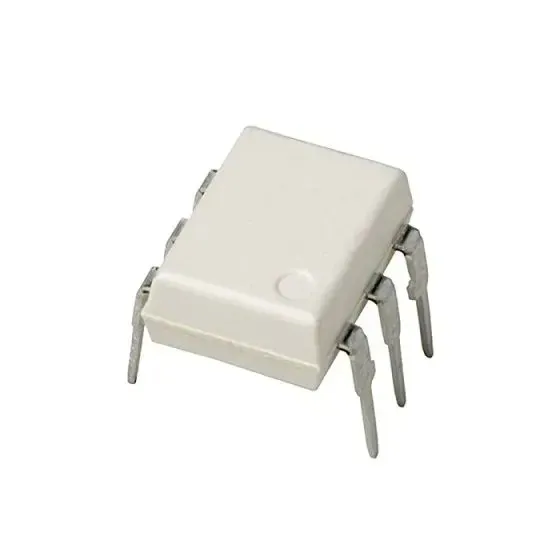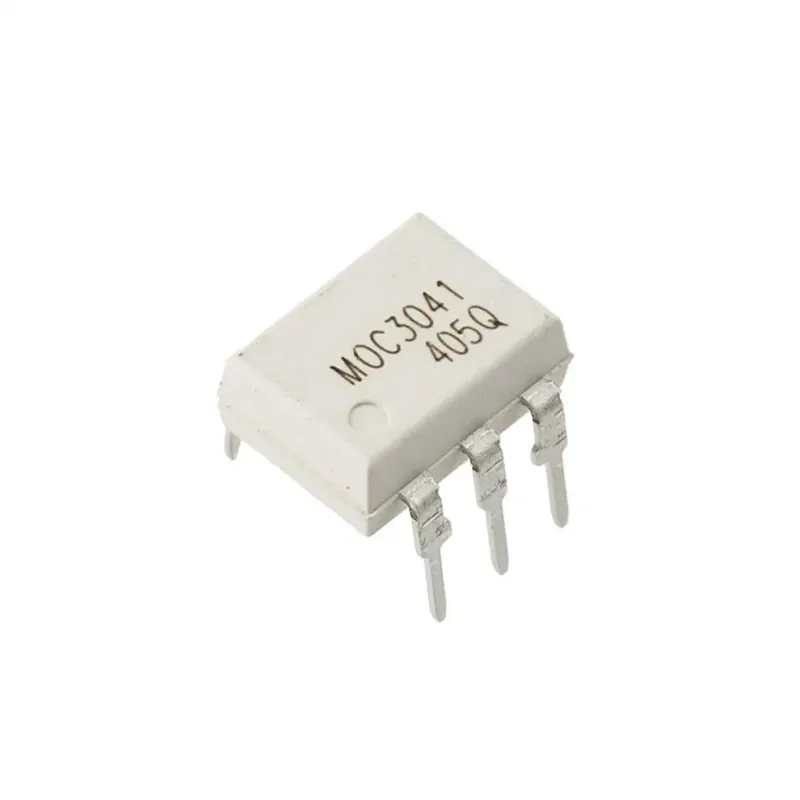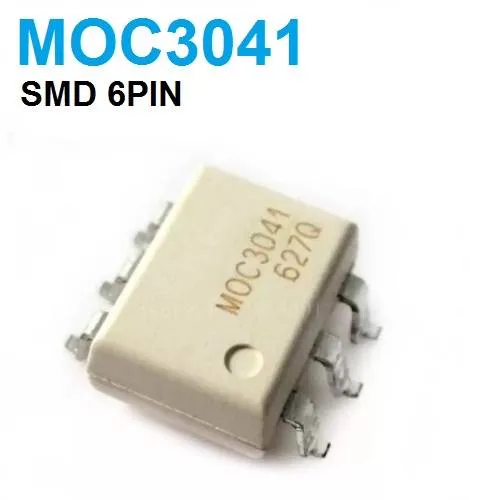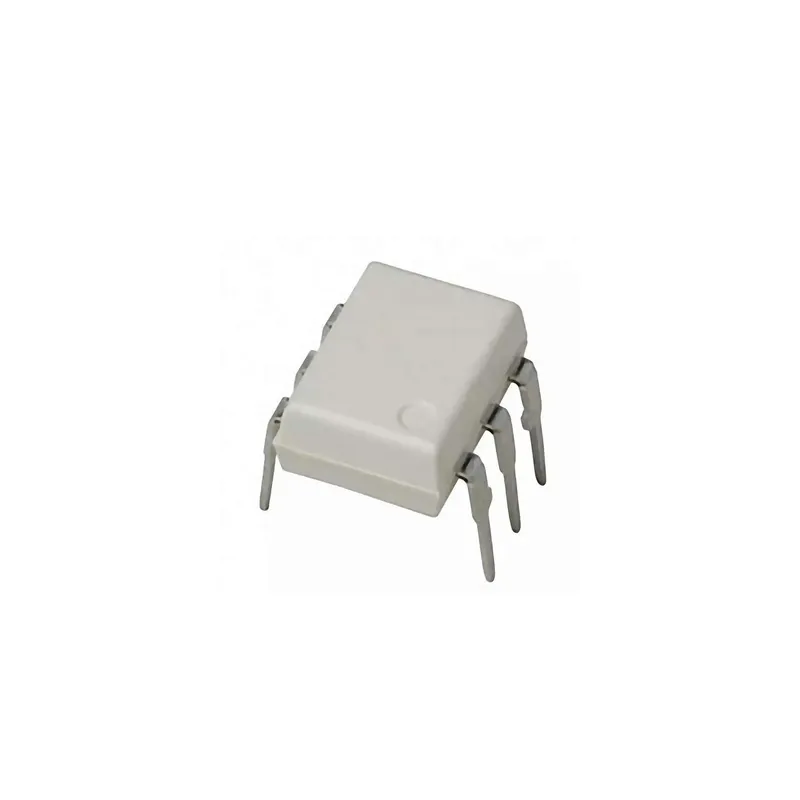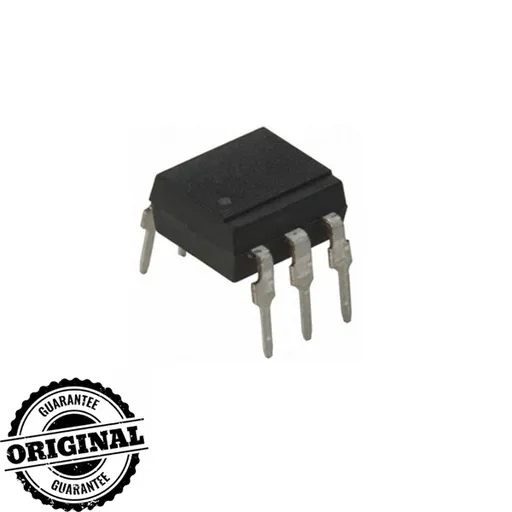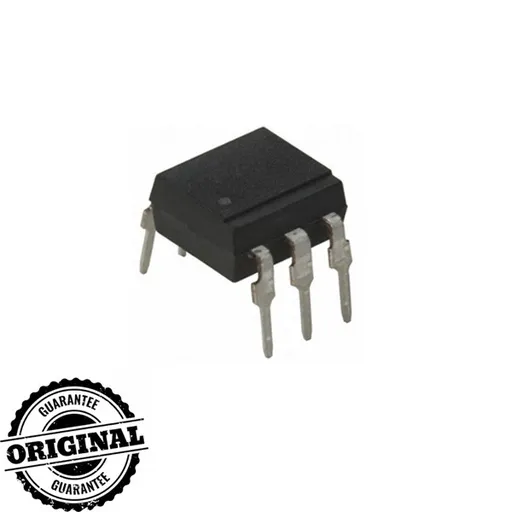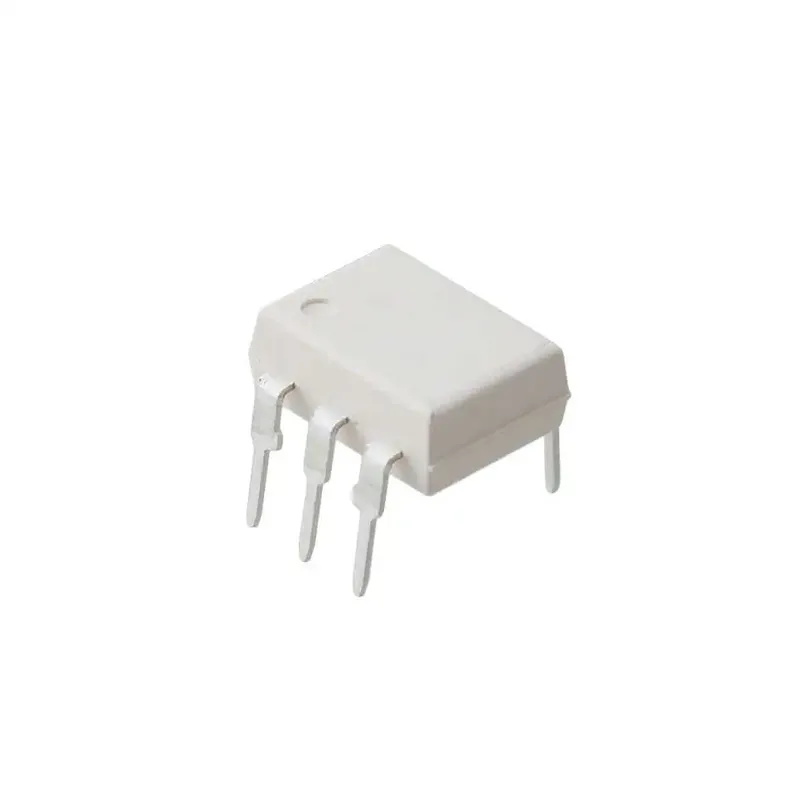
MOC3052 Non-Zero-Crossing Triac Driver Optocoupler DIP-6
Prices updated: 12 Oct 2026
Compare prices
| Store | product | Price | View in store |
|---|---|---|---|
 Makers Electronics Makers Electronics | MOC3052 Optocouplers Dip 6 pin | 15 EGP | View in store |
Price history
Lowest daily price, last 90 days
Not enough price history yet.
Lowest price recorded: 15 EGP
About this product
The MOC3052 is a 6-pin optocoupler that couples a GaAs infrared LED to a non-zero-crossing silicon bilateral AC switch (triac). It isolates low-voltage logic from 115 VAC and 240 VAC lines and provides random-phase control of high-current triacs or thyristors, with enhanced dv/dt capability for inductive loads.
Specifications
- Forward current
- 60 mA
- Power dissipation
- 100 mW
- Reverse voltage
- 6 V
- Zero crossing circuit
- No (random-phase switching)
- Operating temperature
- -40 °C to +85 °C
- Storage temperature
- -40 °C to +150 °C
- Number of pins
- 6
Frequently asked questions
What is the price of MOC3052 Non-Zero-Crossing Triac Driver Optocoupler DIP-6 in Egypt?
MOC3052 Non-Zero-Crossing Triac Driver Optocoupler DIP-6 currently costs 15 EGP in Egypt.
Where can I buy MOC3052 Non-Zero-Crossing Triac Driver Optocoupler DIP-6 in Egypt?
MOC3052 Non-Zero-Crossing Triac Driver Optocoupler DIP-6 is available from Makers Electronics. Compare the offers above to find the best price.
What is random-phase control?
The triac can be triggered at any point of the AC cycle, so the power delivered to the load is adjusted by changing the firing angle. This suits dimmers and phase-controlled heaters, but it can generate more electrical noise than zero-crossing types.
Can it be driven from an Arduino?
Yes, on the input side. Drive the internal LED (pins 1 and 2) from a digital pin through a series resistor that keeps the current within 60 mA. Keep the AC side fully isolated from the microcontroller and use a proper triac gate circuit.