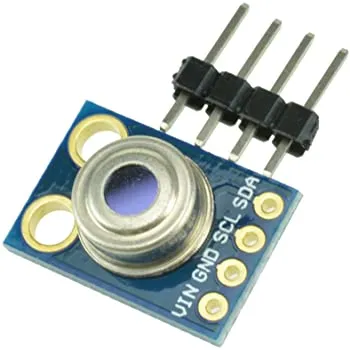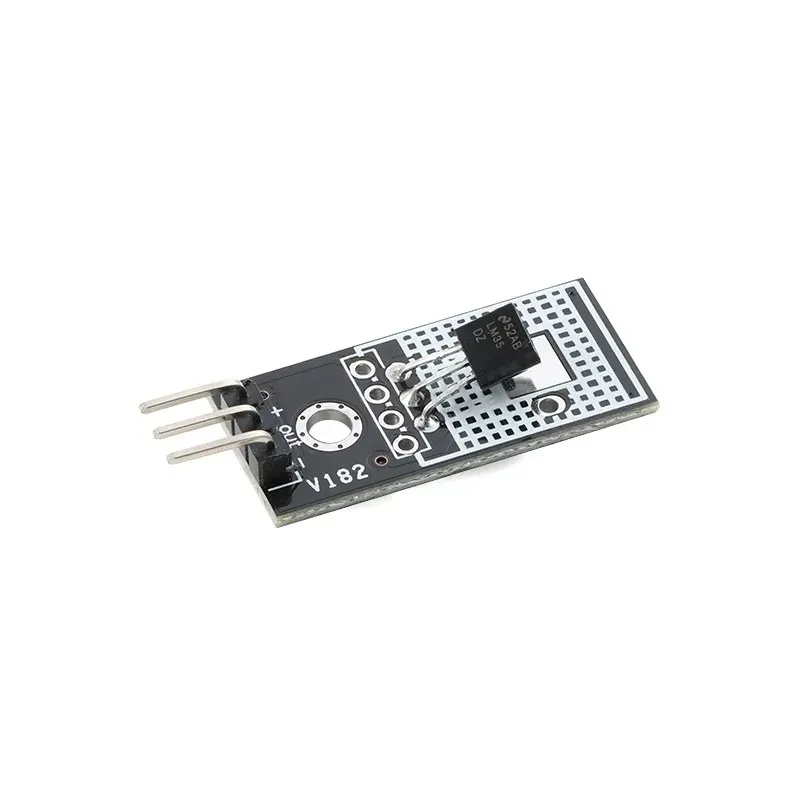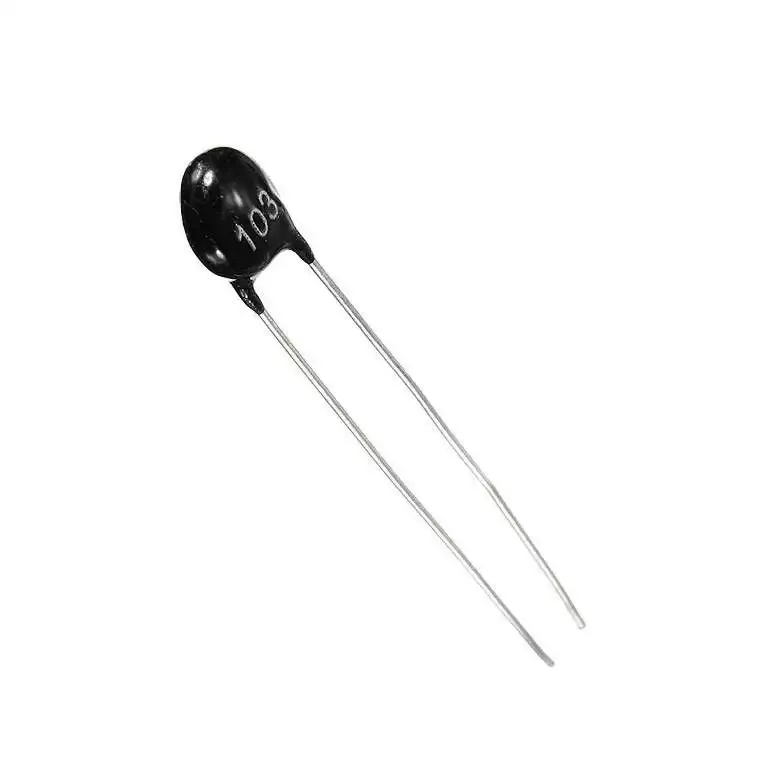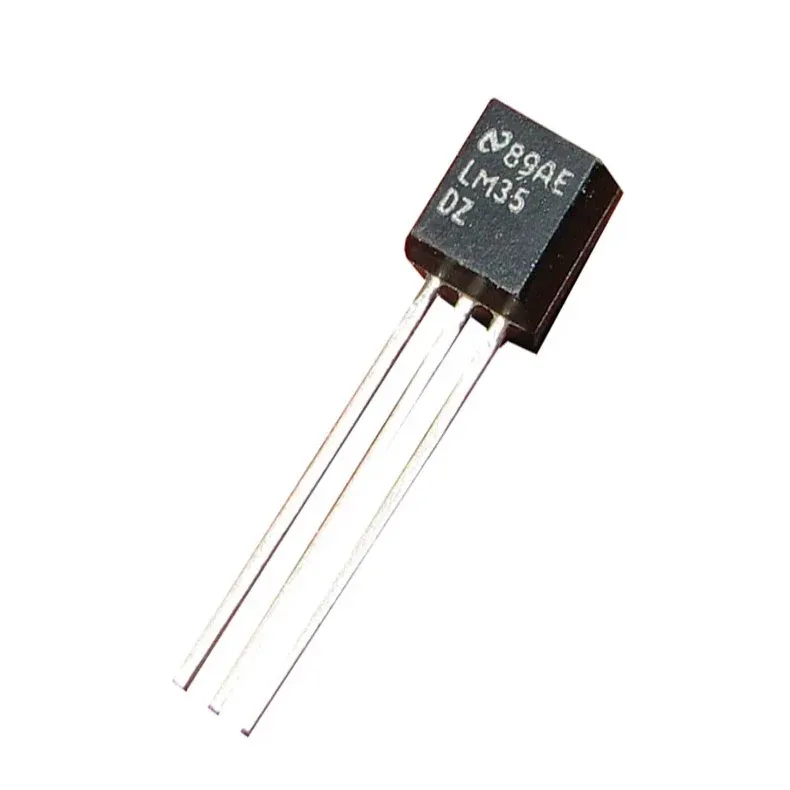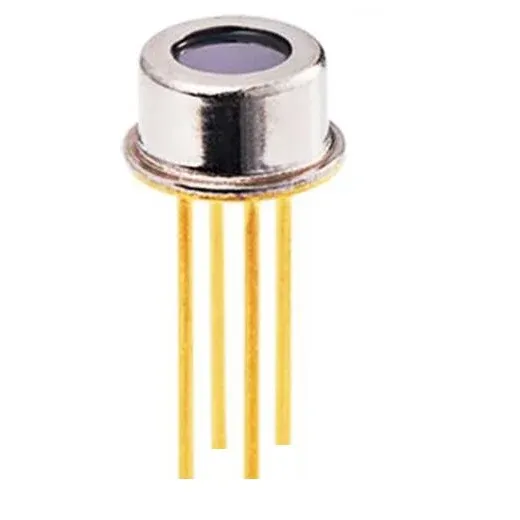
ZTP-135SR Analog Thermopile Contactless Infrared Temperature Sensor
Prices updated: 13 Oct 2026
Compare prices
| Store | product | Price | View in store |
|---|---|---|---|
 Future ElectronicsCheapest Future ElectronicsCheapest | Analog Thermopile Contactless Infrared Temperature | 115 EGP | View in store |
 Circuits Electronics Circuits Electronics | Analog Thermopile Contactless Infrared Temperature | 200 EGP | View in store |
Price history
Lowest daily price, last 90 days
Lowest price recorded: 115 EGP
About this product
This analog thermopile sensor measures the temperature of an object without contact by detecting its infrared energy. It includes a thermistor that measures ambient temperature for compensation, and its analog output must be read with an ADC or amplifier. It is used in non-contact thermometers, equipment monitoring and temperature projects.
Specifications
- Sensor type
- Analog thermopile infrared
- Part
- ZTP-135SR
- Measurement
- Object temperature (IR) with ambient compensation
- Ambient temperature sensing
- Built-in thermistor
- Output
- Analog
- Pins
- 4 (2 thermopile, 2 thermistor)
Frequently asked questions
What is the price of ZTP-135SR Analog Thermopile Contactless Infrared Temperature Sensor in Egypt?
ZTP-135SR Analog Thermopile Contactless Infrared Temperature Sensor currently costs between 115 and 200 EGP across 2 offers in Egypt.
Where can I buy ZTP-135SR Analog Thermopile Contactless Infrared Temperature Sensor in Egypt?
ZTP-135SR Analog Thermopile Contactless Infrared Temperature Sensor is available from Future Electronics and Circuits Electronics. Compare the offers above to find the best price.
Why does the sensor need an ambient temperature reading?
The thermopile output depends on both the object temperature and the sensor's own temperature. The thermistor reading lets you compensate for the sensor temperature, using the calibration equation from the datasheet.
Can I measure through glass or plastic?
Avoid placing glass or plastic between the sensor and the target. These materials block much of the infrared energy the sensor needs, which causes incorrect readings.