WS2812B RGB Addressable LED Breakout Module, Breadboard Compatible
Prices updated: 13 Oct 2026
Compare prices
| Store | product | Price | View in store |
|---|---|---|---|
 Makers Electronics Makers Electronics | WS2812B RGB Addressable LED Stackable Breakout Module (Compatible with Breadboard) | 30 EGP | View in store |
Price history
Lowest daily price, last 90 days
Lowest price recorded: 30 EGP
About this product
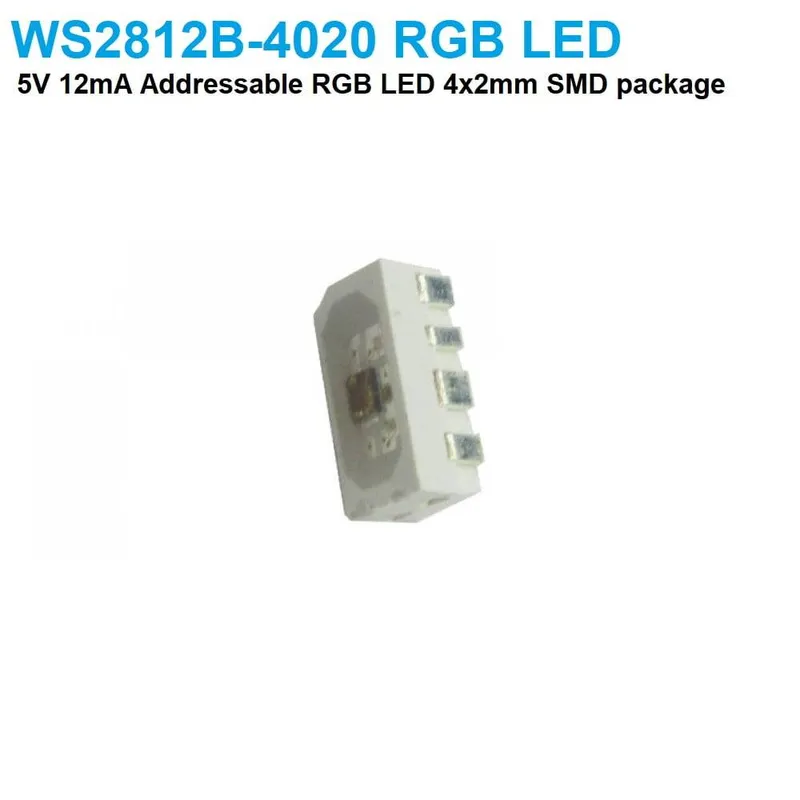
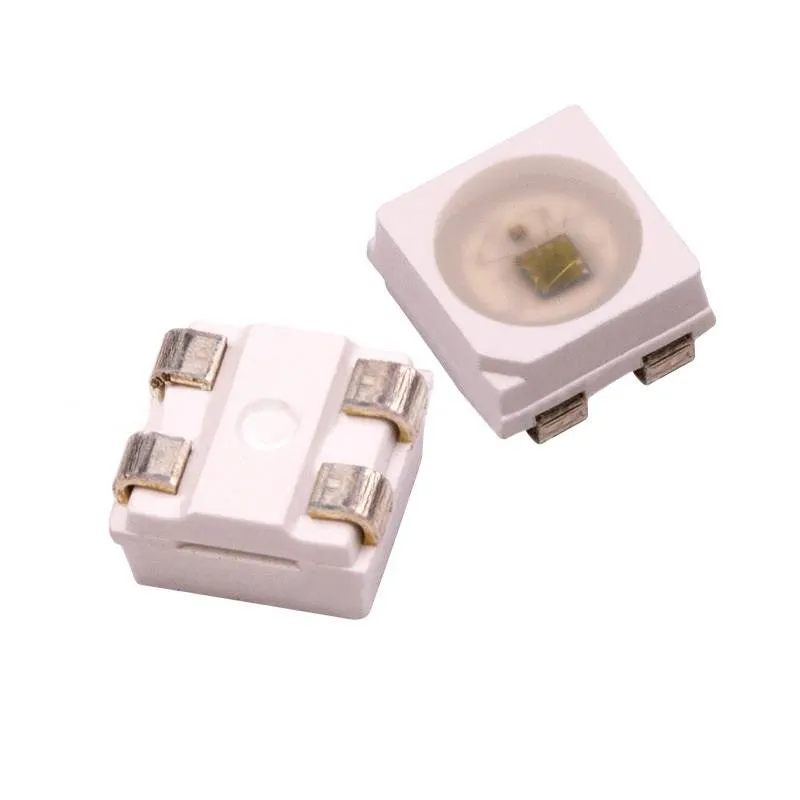
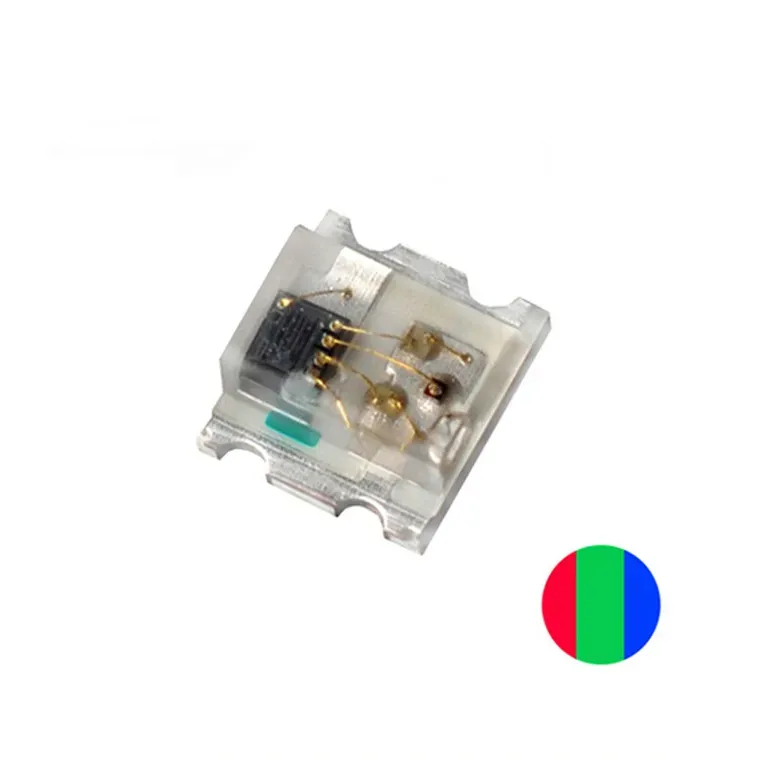
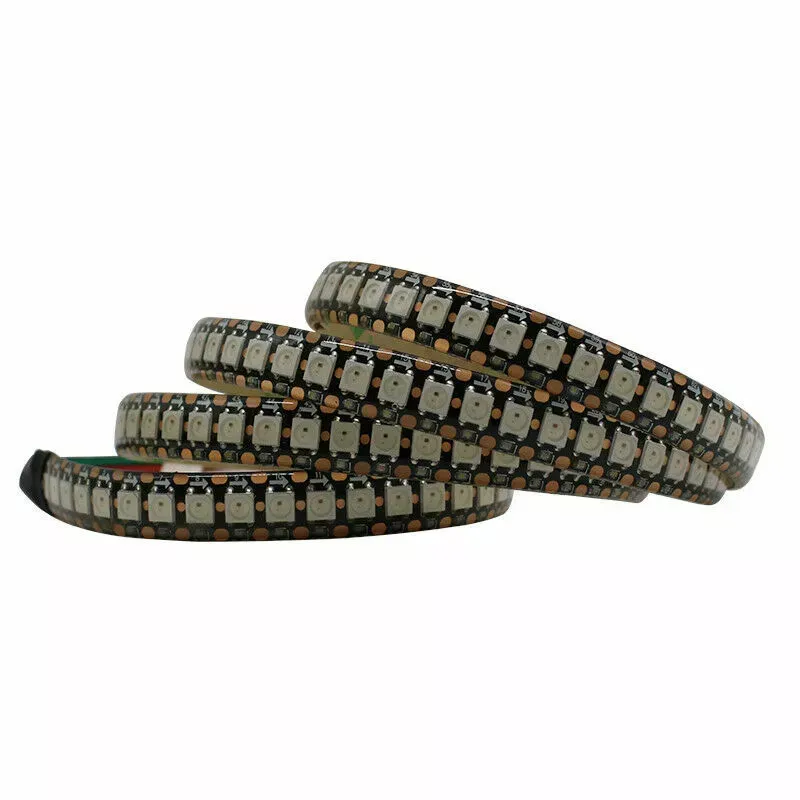
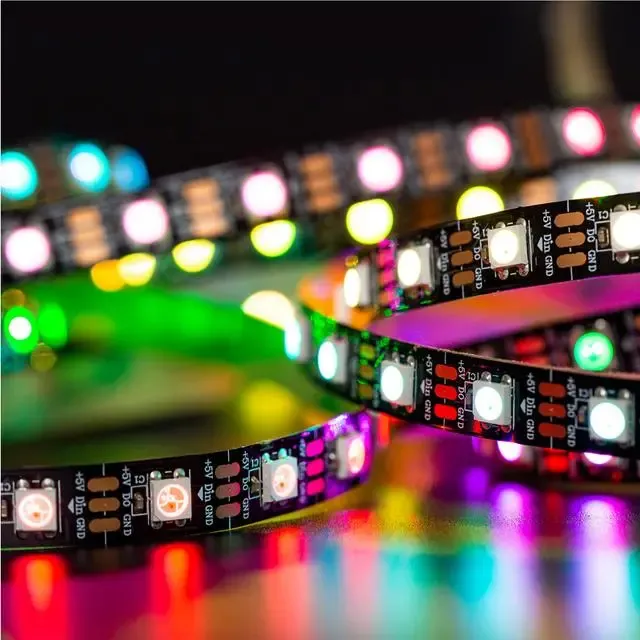
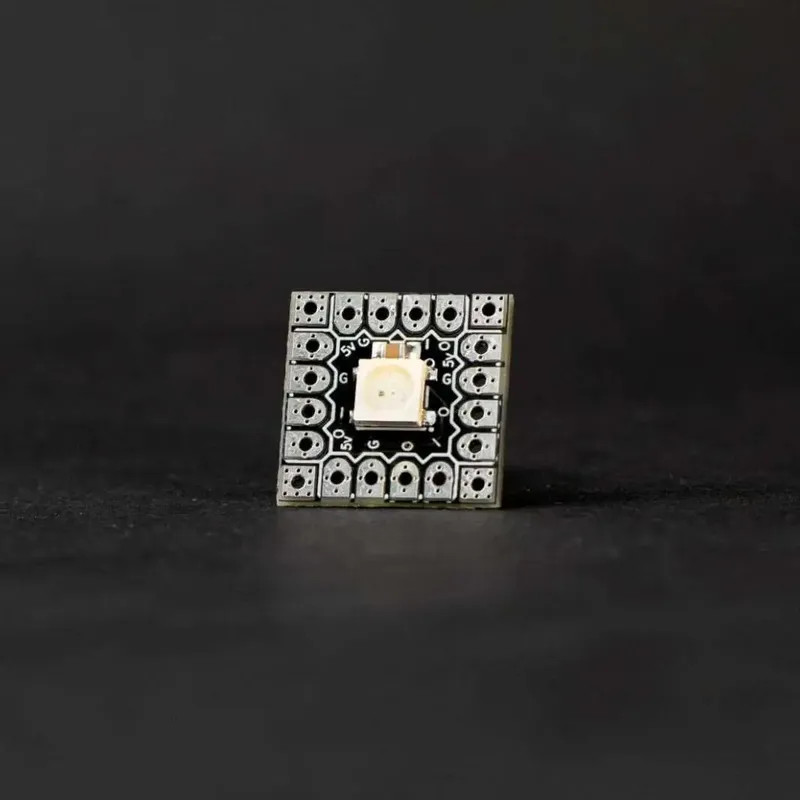
An addressable RGB LED breakout module built around the WS2812B 5050 chip, which combines red, green and blue LEDs with a control circuit. Each LED can be set individually through a single data line, making it suitable for pixel displays, decorative lighting and experiments. It runs at 5V and is designed to fit a breadboard, with headers supplied separately.
Specifications
- Chip
- WS2812B
- LED package
- 5050
- Operating voltage
- 5V
- Control
- Single-wire addressable data
- Form factor
- Stackable breakout module
- Headers
- Supplied separately
Frequently asked questions
What is the price of WS2812B RGB Addressable LED Breakout Module, Breadboard Compatible in Egypt?
WS2812B RGB Addressable LED Breakout Module, Breadboard Compatible currently costs 30 EGP in Egypt.
Where can I buy WS2812B RGB Addressable LED Breakout Module, Breadboard Compatible in Egypt?
WS2812B RGB Addressable LED Breakout Module, Breadboard Compatible is available from Makers Electronics. Compare the offers above to find the best price.
How do I wire a WS2812B module to an Arduino?
Connect 5V to the 5V pin, GND to GND and the data input (DIN) to a digital pin such as D6, with a common ground shared with the board. A 300-500Ω resistor on the data line and a 1000µF capacitor across the power pins are commonly recommended to protect the first LED.
Can I connect several modules together?
Yes. Connect the DOUT of one module to the DIN of the next. For long chains or full-brightness white, power the LEDs from a dedicated 5V supply rather than the microcontroller, because each LED can draw significant current.