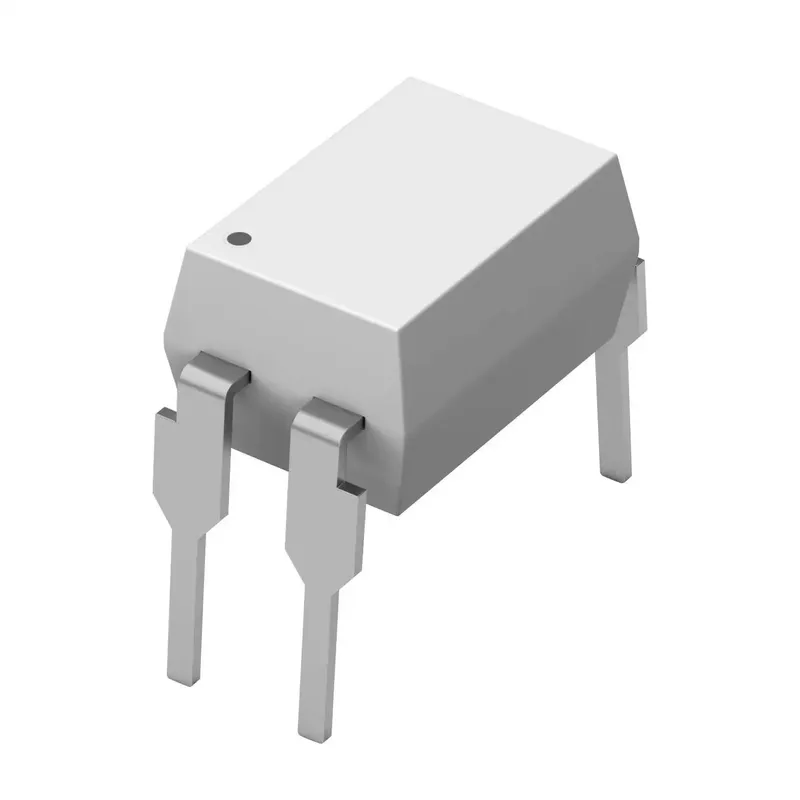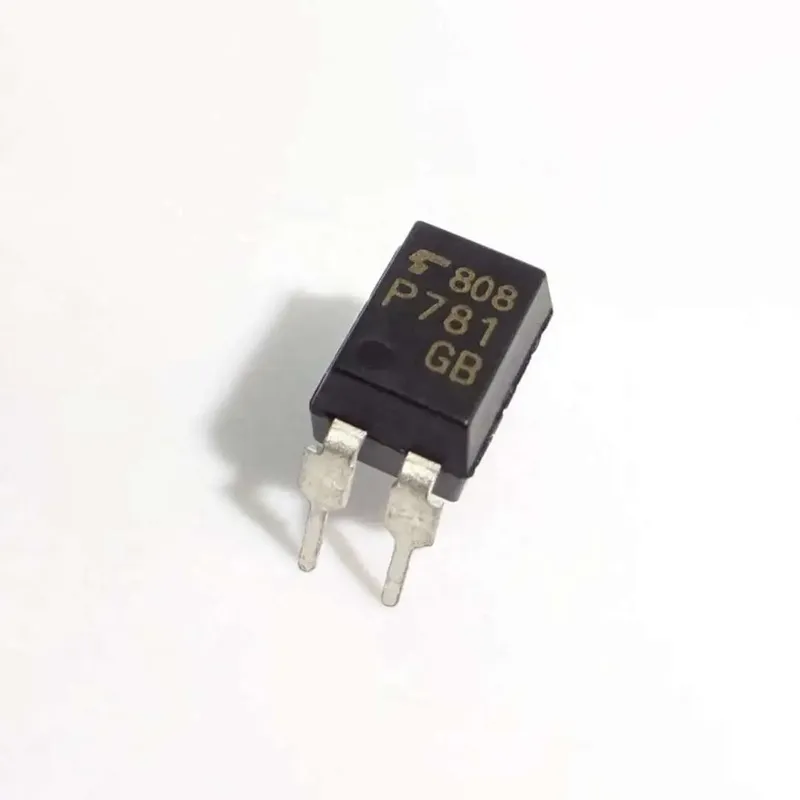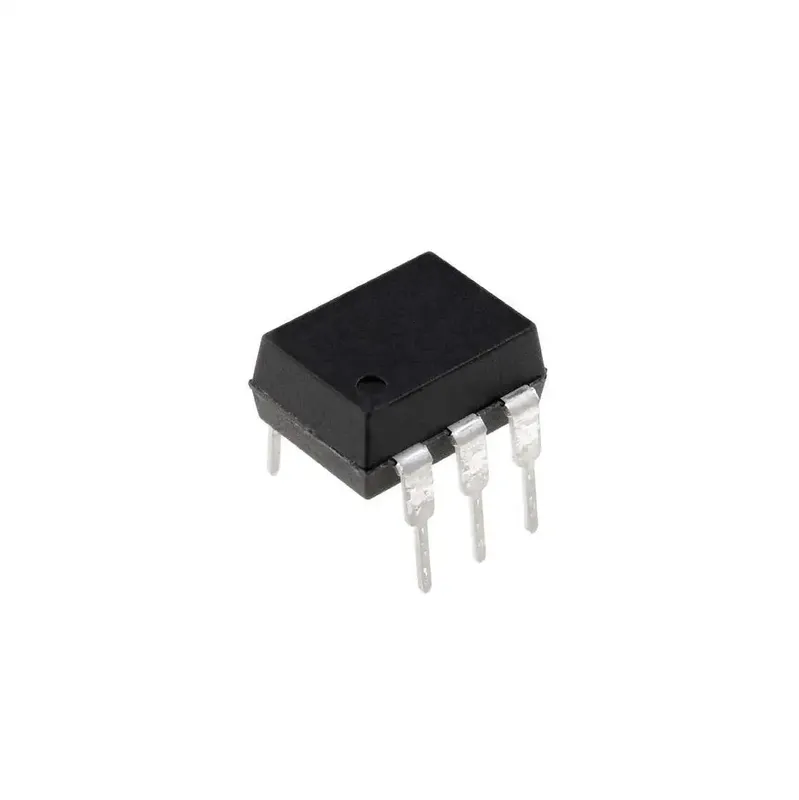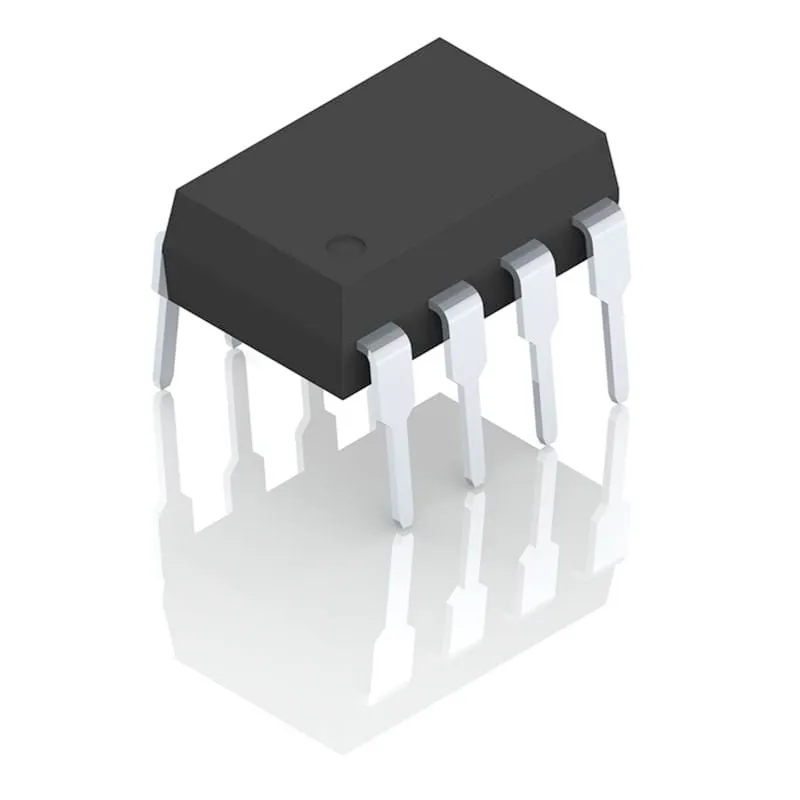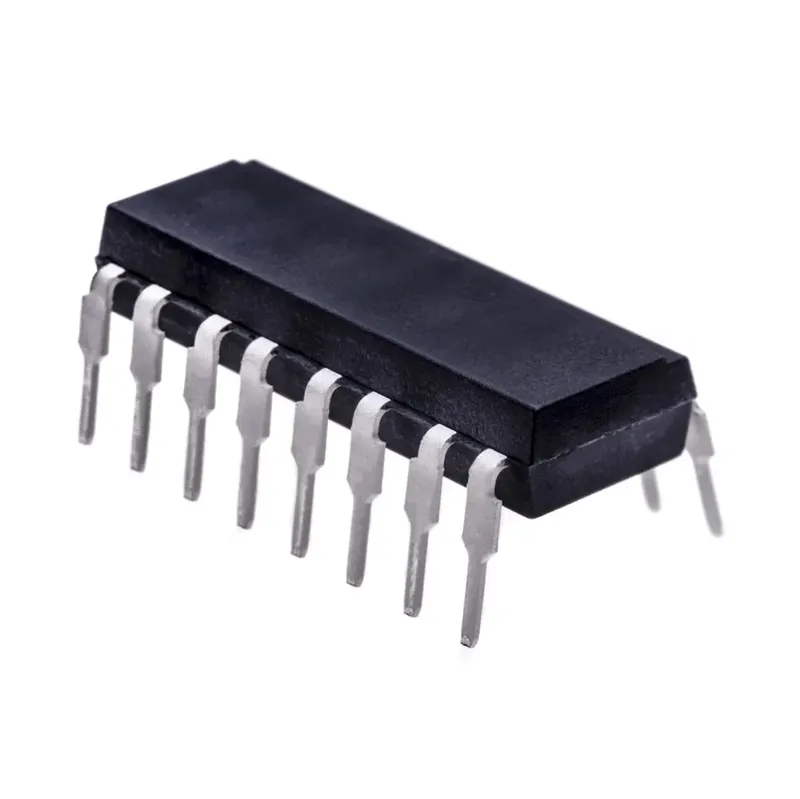
TLP521-4 Quad Optocoupler NPN Output 16-DIP
Prices updated: 13 Oct 2026
Compare prices
| Store | product | Price | View in store |
|---|---|---|---|
 Makers ElectronicsCheapest Makers ElectronicsCheapest | TLP521-4 NPN Phototransistor Output Quad Optocoupler, Through Hole, 16-Pin DIP | 70 EGP | View in store |
 RAM Electronics RAM Electronics | TLP521-4 | 75 EGP | View in store |
Price history
Lowest daily price, last 90 days
Lowest price recorded: 70 EGP
About this product
The TLP521-4 is a quad optocoupler with four independent LED-to-phototransistor channels in a 16-pin DIP package. It provides electrical isolation up to 5300 Vrms between input and output. It is used to interface microcontrollers with circuits at different voltages or with noise, such as sensor and control signals, and it is a through-hole part.
Specifications
- Number of channels
- 4
- Isolation voltage
- 5300 Vrms
- Current transfer ratio (min to max)
- 100% to 600% @ 5 mA
- Output type
- NPN phototransistor (transistor output)
- Output voltage (max)
- 55 V
- Forward current If (max)
- 50 mA
- Operating temperature
- -30 °C to 100 °C
- Package
- 16-DIP, through hole
Frequently asked questions
What is the price of TLP521-4 Quad Optocoupler NPN Output 16-DIP in Egypt?
TLP521-4 Quad Optocoupler NPN Output 16-DIP currently costs between 70 and 75 EGP across 2 offers in Egypt.
Where can I buy TLP521-4 Quad Optocoupler NPN Output 16-DIP in Egypt?
TLP521-4 Quad Optocoupler NPN Output 16-DIP is available from Makers Electronics and RAM Electronics. Compare the offers above to find the best price.
How do I drive the input LED?
Use a series resistor on each input LED to set the forward current. Keep it well below the 50 mA maximum. The listed current transfer ratio is specified at 5 mA, so designing around that current gives predictable results.
How is the output wired?
The output transistor is wired like an open collector. Connect a pull-up resistor from the logic supply to the output pin and connect the emitter to GND. The output goes low when the input LED is on, so the signal is inverted.