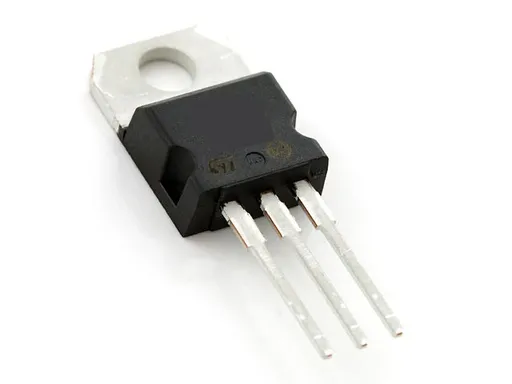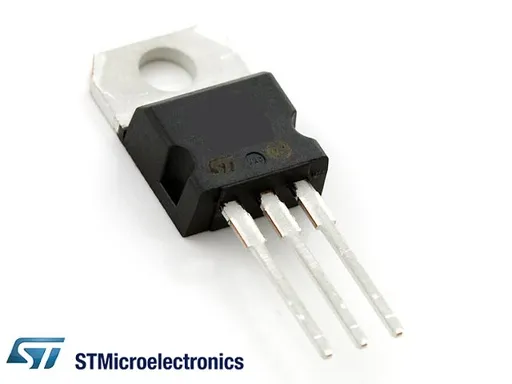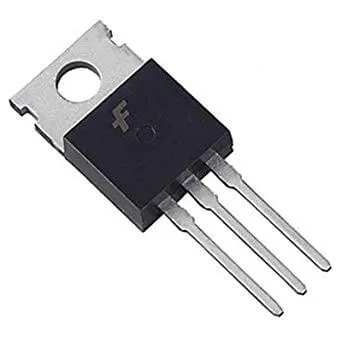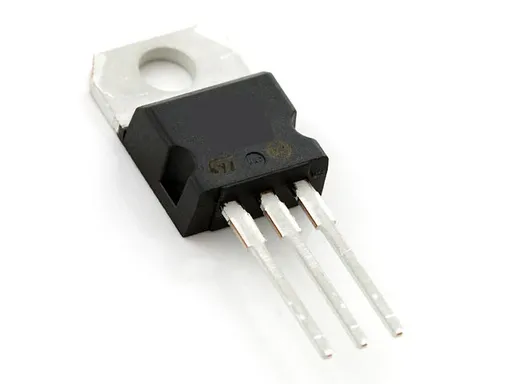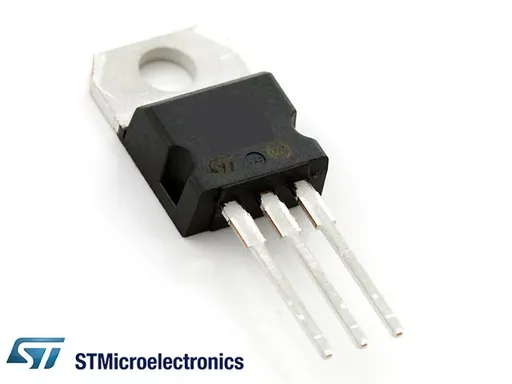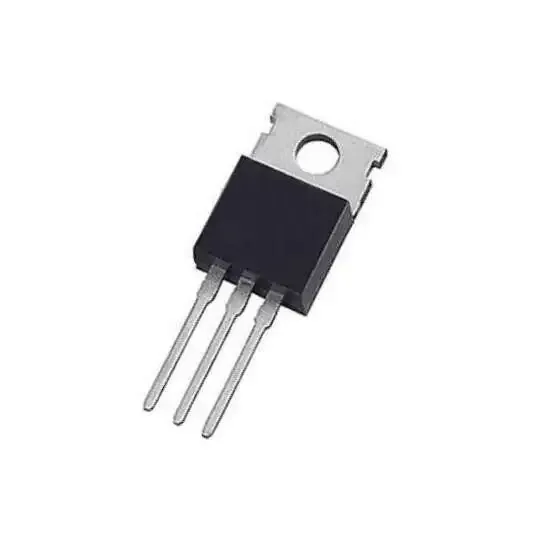
LM337T Adjustable Negative Voltage Regulator (TO-220)
Prices updated: 12 Oct 2026
Compare prices
| Store | product | Price | View in store |
|---|---|---|---|
 Makers ElectronicsCheapest Makers ElectronicsCheapest | LM337 Adjustable Negative Voltage Regulator IC | 20 EGP | View in store |
 UGE UGE | Voltage Regulator Adjustable LM337T | 27 EGP | View in store |
Price history
Lowest daily price, last 90 days
Not enough price history yet.
Lowest price recorded: 20 EGP
About this product
The LM337T is a 3-terminal adjustable negative voltage regulator that delivers output from -1.2 V to -37 V and more than 1.5 A. Two external resistors set the output voltage. It is used for on-card negative supplies and includes current limiting and thermal shutdown for protection against overloads.
Specifications
- Type
- Adjustable negative 3-terminal regulator
- Output voltage range
- -1.2 V to -37 V
- Output current
- More than 1.5 A
- Voltage setting
- Two external resistors
- Protection
- Current limiting, thermal shutdown
- Package
- TO-220
Frequently asked questions
What is the price of LM337T Adjustable Negative Voltage Regulator (TO-220) in Egypt?
LM337T Adjustable Negative Voltage Regulator (TO-220) currently costs between 20 and 27 EGP across 2 offers in Egypt.
Where can I buy LM337T Adjustable Negative Voltage Regulator (TO-220) in Egypt?
LM337T Adjustable Negative Voltage Regulator (TO-220) is available from Makers Electronics and UGE. Compare the offers above to find the best price.
How do I set the output voltage?
Use VOUT = -1.25 V × (1 + R2/R1), where R1 is between OUT and ADJ and R2 is between ADJ and ground, ignoring the small adjust-pin current. For example, R1 = 240 Ω and R2 = 720 Ω give about -5 V.
Does it need an output capacitor or a heatsink?
Yes, follow the datasheet: an output capacitor is needed for frequency compensation. Use a heatsink when the current or the input-to-output voltage difference is high, since the regulator then dissipates significant heat. Input must be more negative than the output.