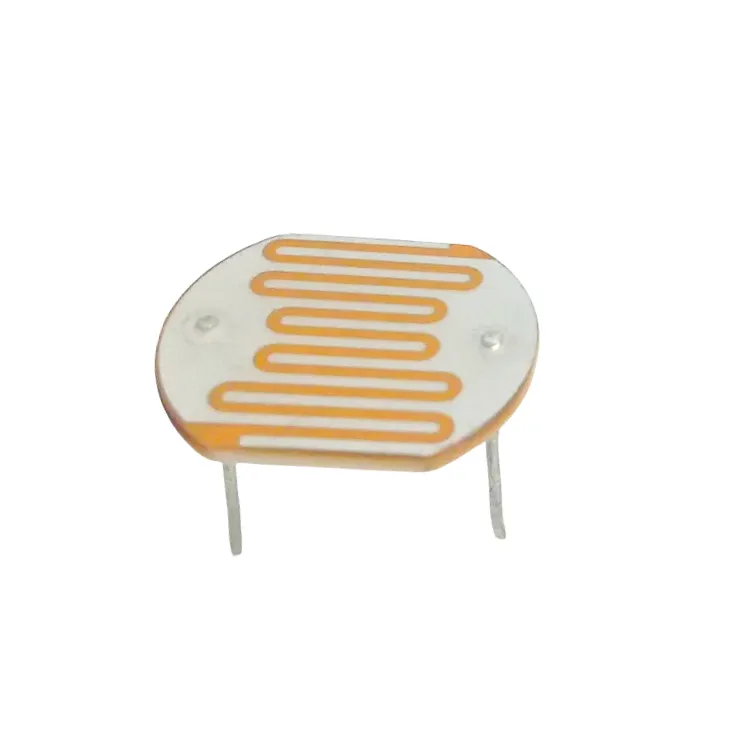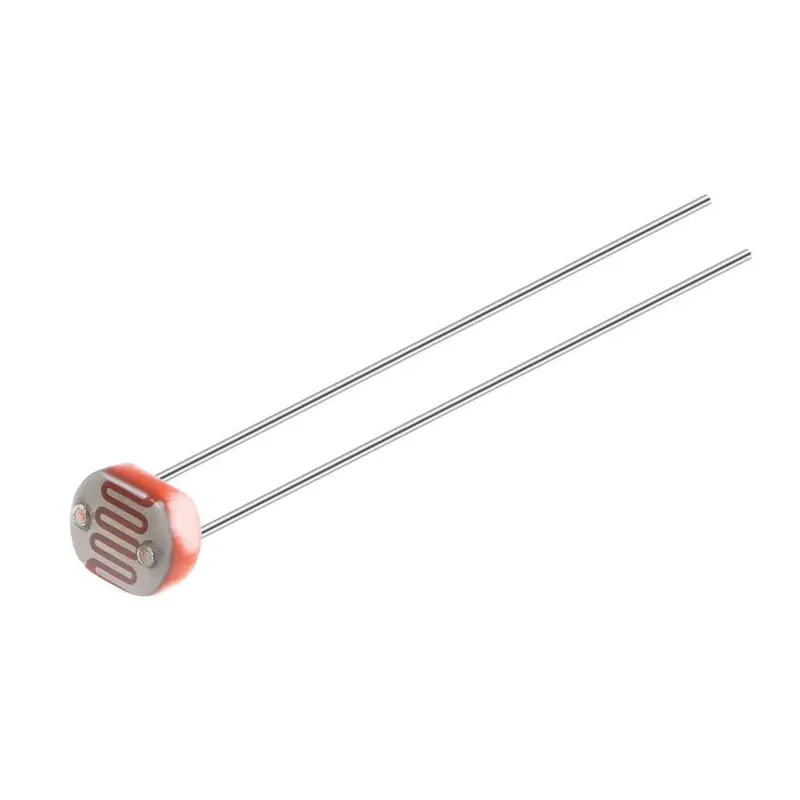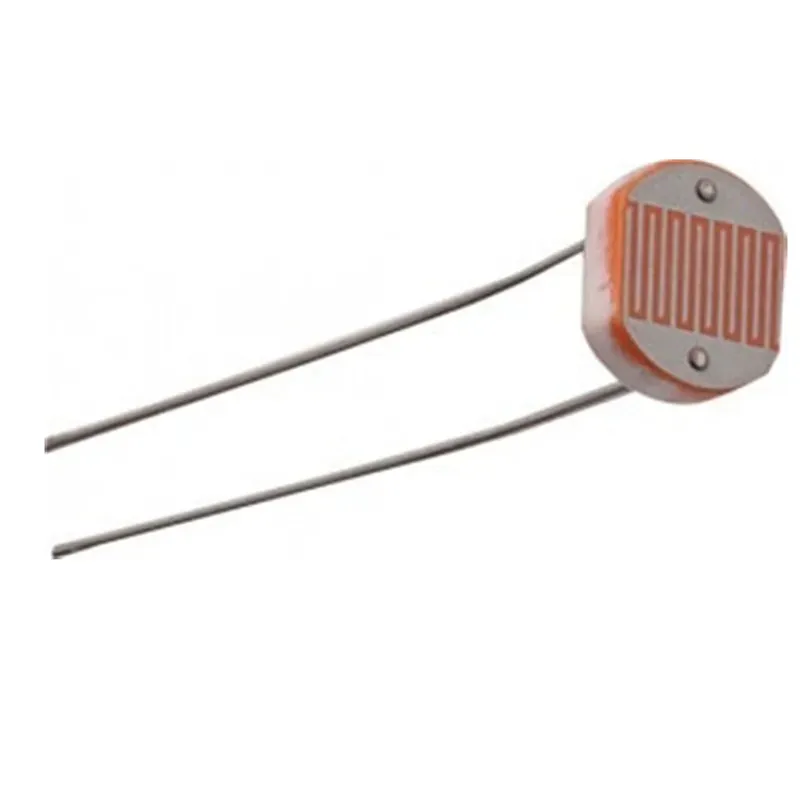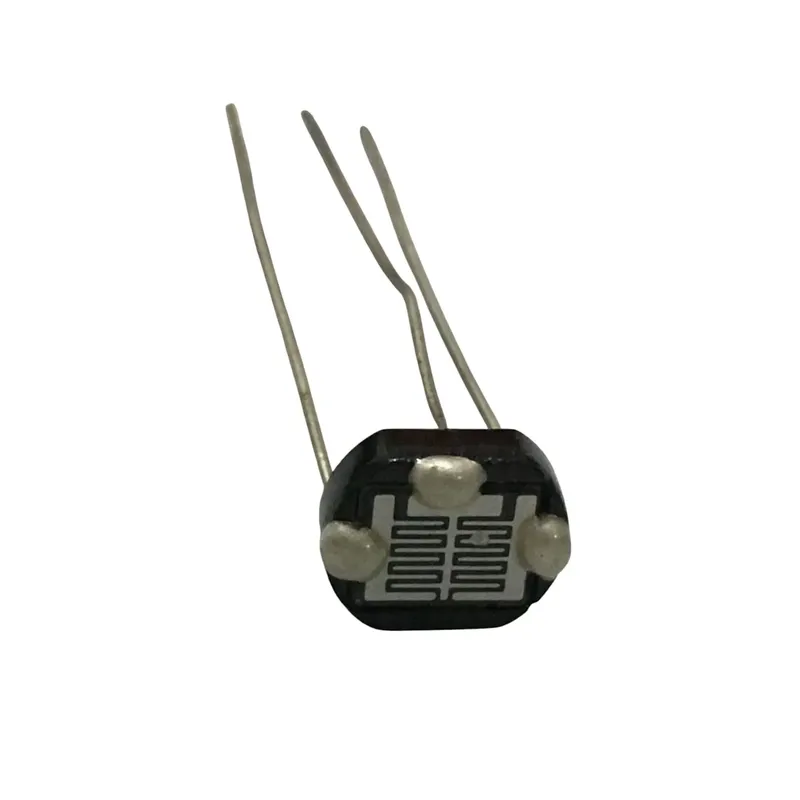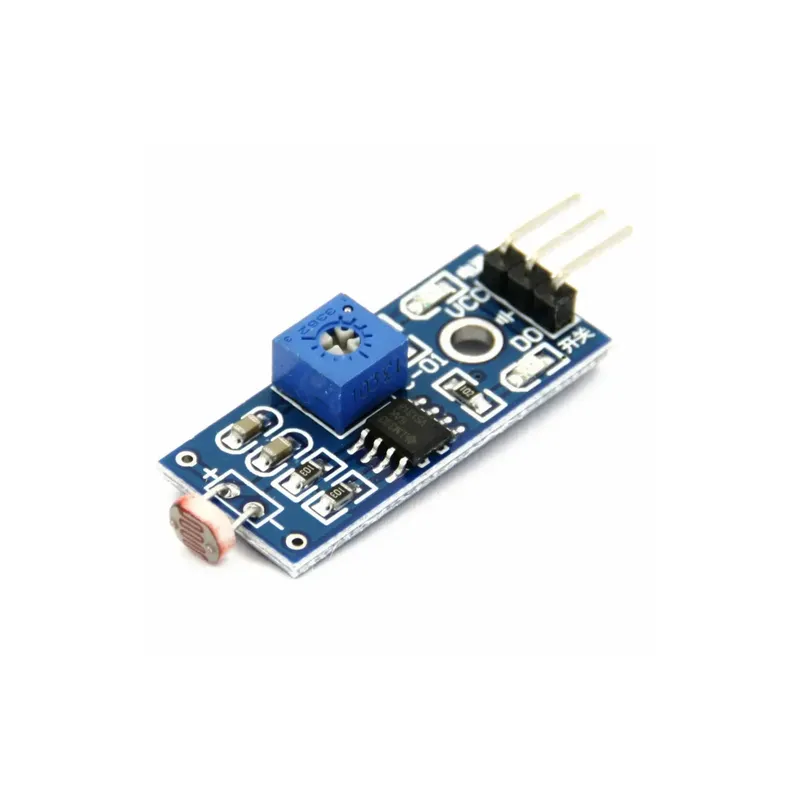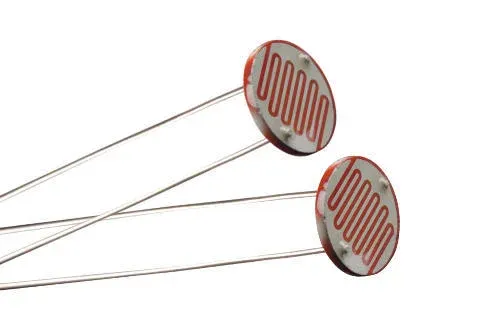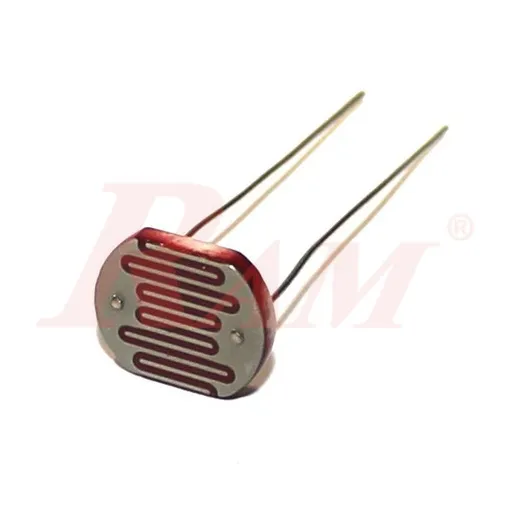
GL12528 12mm LDR Photoresistor (CdS) Light Sensor
Prices updated: 13 Oct 2026
Compare prices
| Store | product | Price | View in store |
|---|---|---|---|
 RAM ElectronicsCheapest RAM ElectronicsCheapest | LDR Medium Size 12mm Photoresistor (CDS) | 12 EGP | View in store |
 Ekostra Ekostra | LDR Photoresistor 12528 12mm 10-20K Ohm | 15 EGP | View in store |
 Makers Electronics Makers Electronics | GL12528 Photoresistor Sensor LDR 1-20MΩ 12mm | 17 EGP | View in store |
 Microohm Microohm | 12mm GL12528 Light Sensitive Photoresistor LDR 1PCS | 17 EGP20 | View in store |
 Circuits Electronics Circuits Electronics | LDR Resistor (Light Dependent Photoresistor ) 12mm | 20 EGP | View in store |
Price history
Lowest daily price, last 90 days
Lowest price recorded: 12 EGP
About this product
The GL12528 is a 12 mm cadmium sulfide (CdS) light-dependent resistor with two pins for through-hole mounting. Its resistance falls as light intensity rises, with a spectral peak near 560 nm. It suits ambient light detection and light-level projects where fast response is not required.
Specifications
- Diameter
- 12 mm
- Number of pins
- 2
- Mounting type
- PCB through-hole
- Spectral peak
- 560 nm
- Light resistance (10 lux)
- 10-20 kΩ
- Dark resistance
- 1-20 MΩ
- Maximum voltage
- 250 VDC
Frequently asked questions
What is the price of GL12528 12mm LDR Photoresistor (CdS) Light Sensor in Egypt?
GL12528 12mm LDR Photoresistor (CdS) Light Sensor currently costs between 12 and 20 EGP across 5 offers in Egypt.
Where can I buy GL12528 12mm LDR Photoresistor (CdS) Light Sensor in Egypt?
GL12528 12mm LDR Photoresistor (CdS) Light Sensor is available from RAM Electronics, Ekostra, Makers Electronics, Microohm, and Circuits Electronics. Compare the offers above to find the best price.
How do I read light level with the GL12528?
Build a voltage divider with a fixed resistor, for example 10 kΩ, and read the midpoint on an analog input. As the light rises, the LDR resistance falls and the voltage at the midpoint changes.
Is the GL12528 suitable for detecting fast light changes?
No. Its response time is about 20 ms on rise and 30 ms on fall, so it suits slow changes such as day and night detection rather than high-speed signals.