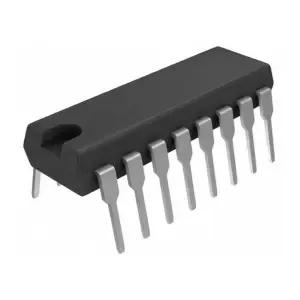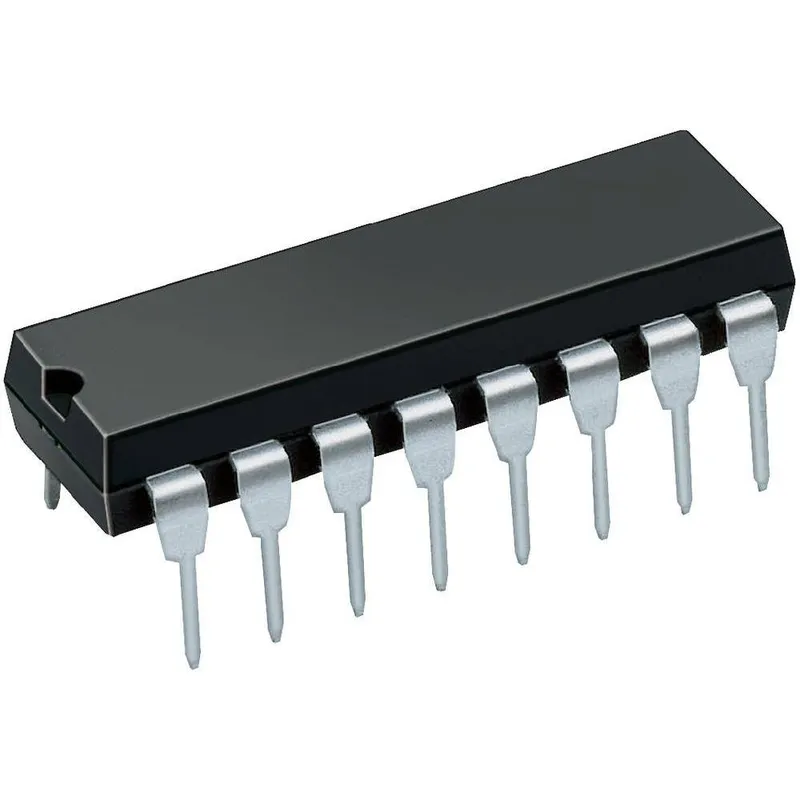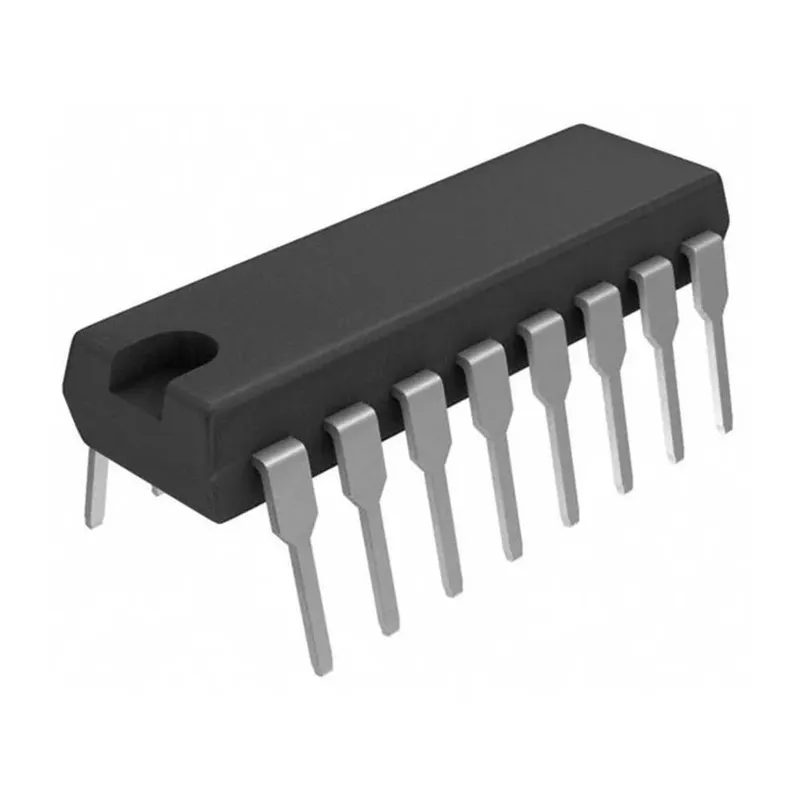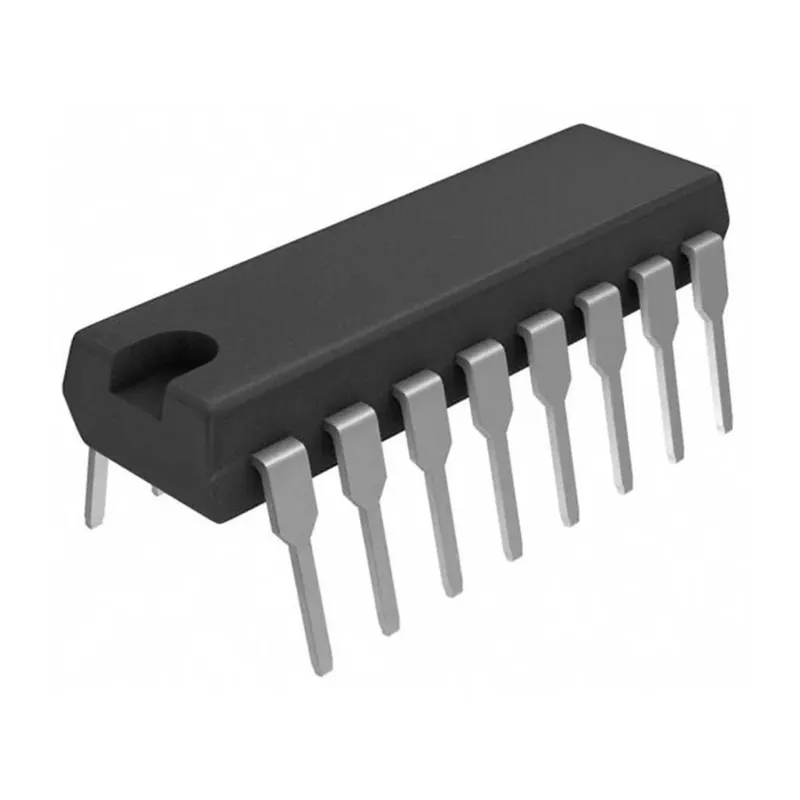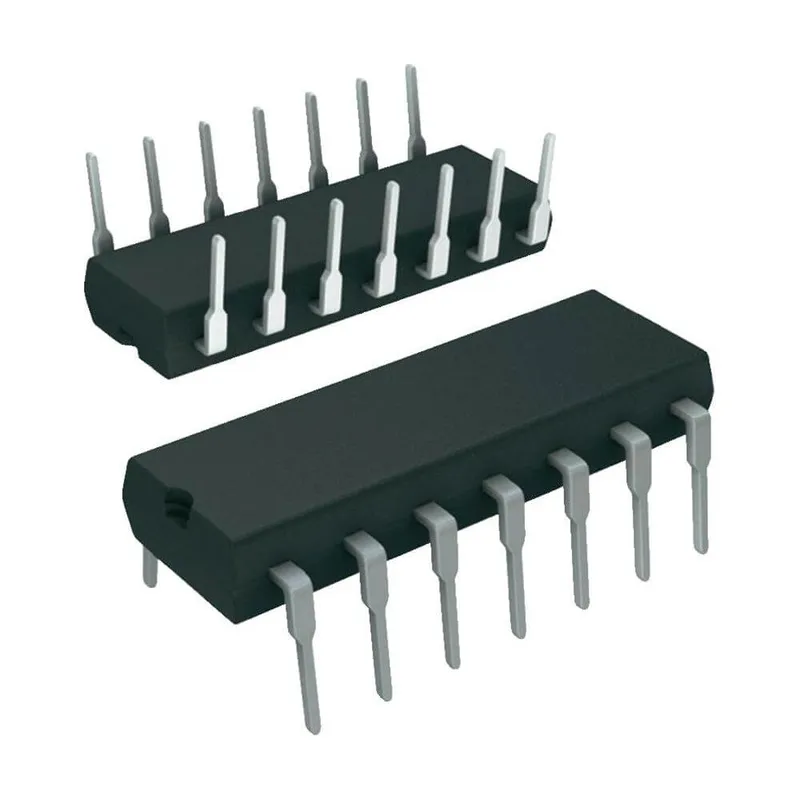
74164 8-Bit Serial-In Parallel-Out Shift Register IC DIP-14
Prices updated: 13 Oct 2026
Compare prices
| Store | product | Price | View in store |
|---|---|---|---|
 MicroohmCheapest MicroohmCheapest | 74164 8-Bit Parallel Out Serial Shift Register | 14 EGP19 | View in store |
 Makers Electronics Makers Electronics | 74LS164 Serial to Parallel Counter Shift Register 8-Bit DIP-14 | 14 EGP | View in store |
 RAM Electronics RAM Electronics | IC 74164 - 8 Bit Serial In - Parallel Out Shift Register - Original | 15 EGP | View in store |
Price history
Lowest daily price, last 90 days
Lowest price recorded: 14 EGP
About this product
The 74164 is a TTL logic IC that converts serial data into 8 parallel outputs. It is used to add output pins to a microcontroller, driving LEDs, relays or displays with only a few control lines. Multiple devices can be cascaded for more outputs. It has gated serial inputs, an asynchronous clear and is supplied in a 14-pin DIP package.
Specifications
- Logic family
- 74 Series (TTL)
- Function
- 8-bit serial-in, parallel-out shift register
- Outputs
- 8 (QA to QH)
- Supply voltage
- 5V (4.75V to 5.25V)
- Clock trigger
- LOW-to-HIGH transition
- Clear input
- Asynchronous
- Package
- DIP-14
Frequently asked questions
What is the price of 74164 8-Bit Serial-In Parallel-Out Shift Register IC DIP-14 in Egypt?
74164 8-Bit Serial-In Parallel-Out Shift Register IC DIP-14 currently costs between 14 and 15 EGP across 3 offers in Egypt.
Where can I buy 74164 8-Bit Serial-In Parallel-Out Shift Register IC DIP-14 in Egypt?
74164 8-Bit Serial-In Parallel-Out Shift Register IC DIP-14 is available from Microohm, Makers Electronics, and RAM Electronics. Compare the offers above to find the best price.
How do I wire the 74164 to a microcontroller?
Pin 14 is VCC (5V) and pin 7 is GND. Connect serial data to pin 1 (A) and pin 2 (B); tie unused data input high. Connect the clock to pin 8 (CP) and the active-low clear to pin 13 (MR), tied high if unused. Outputs QA to QH are on pins 3 to 6 and 9 to 12.
Can I drive LEDs directly from the outputs?
Use a series resistor for each LED and keep the total current within the datasheet limits of the outputs. For larger loads such as relays or high-current LEDs, use a transistor or a dedicated driver stage.