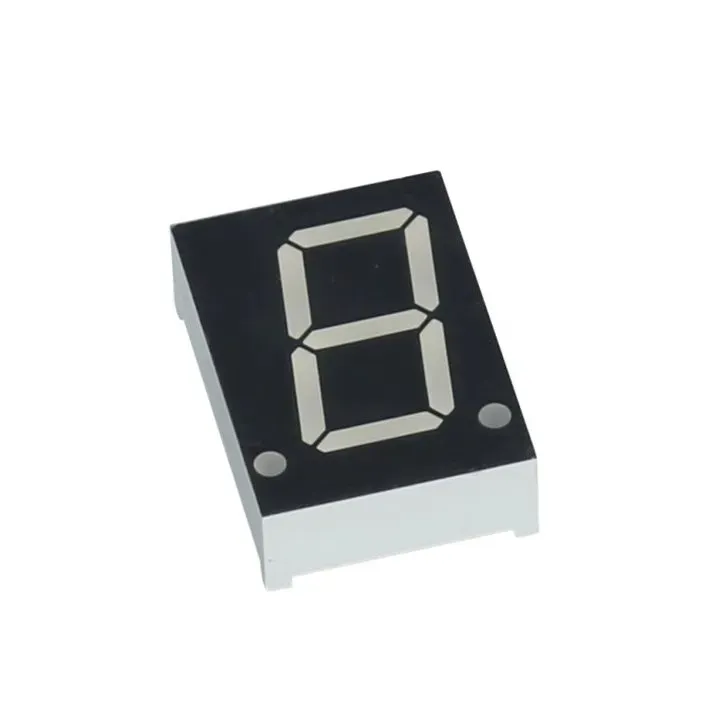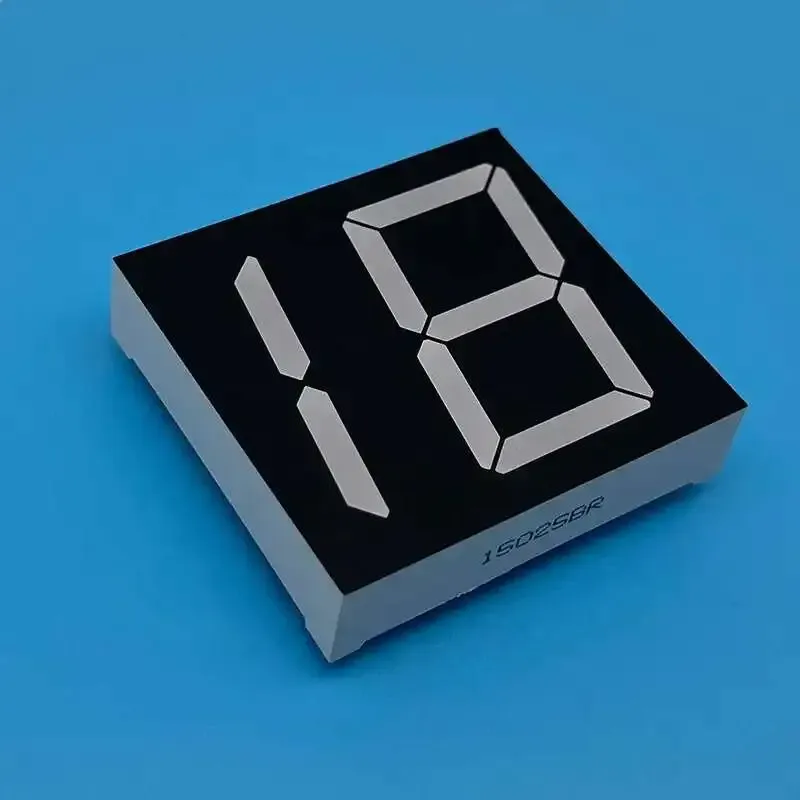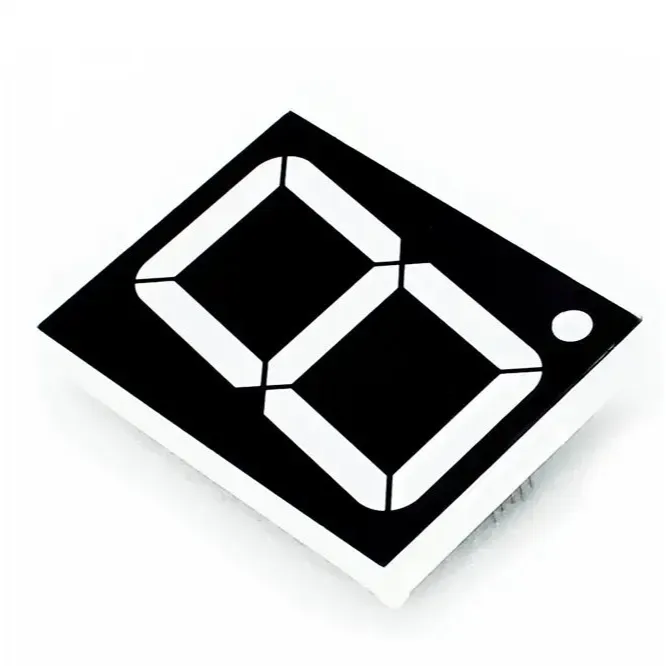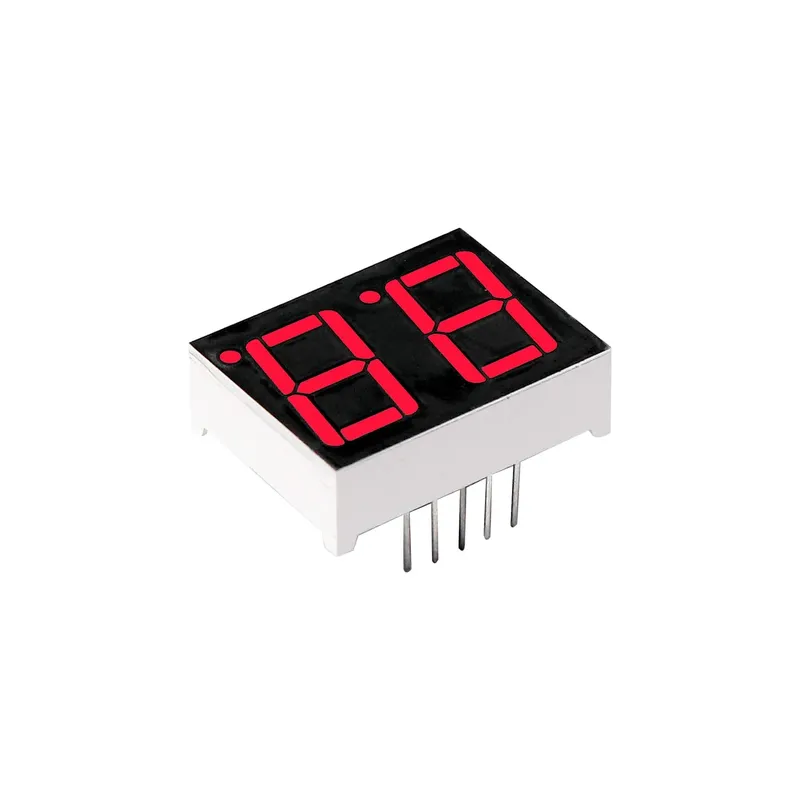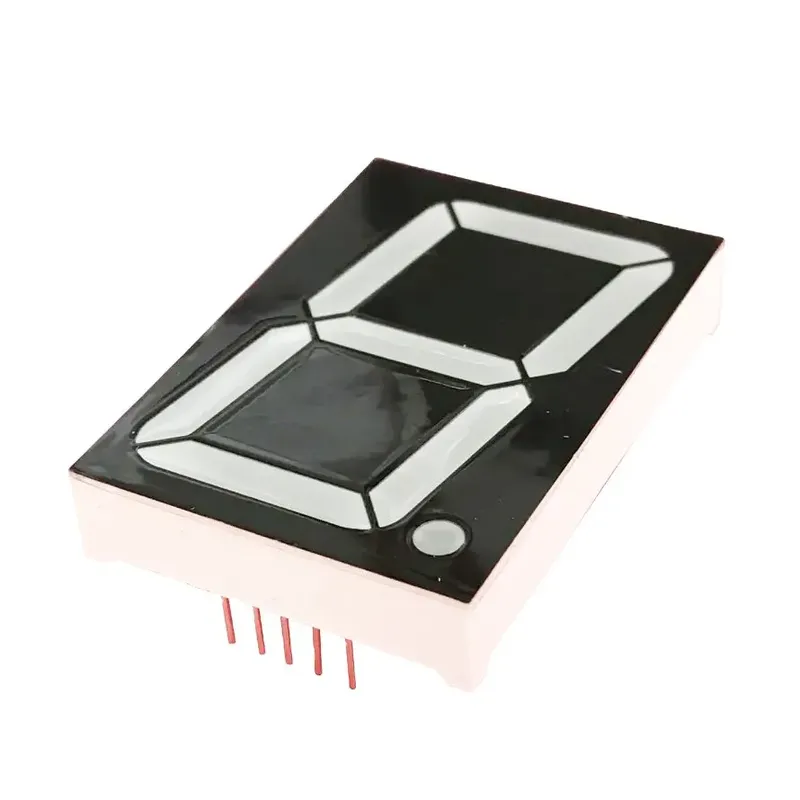
15BS 1.5 Inch Single Digit 7-Segment Red LED Display, Common Anode
Prices updated: 12 Oct 2026
Compare prices
| Store | product | Price | View in store |
|---|---|---|---|
 Makers Electronics Makers Electronics | Single Digit 7 Segment Red Led Display 1.5 inch 15BS Common Anode | 25 EGP | View in store |
Price history
Lowest daily price, last 90 days
Not enough price history yet.
Lowest price recorded: 25 EGP
About this product
A single-digit 7-segment LED display with a 1.5-inch digit height and red segments, wired in common anode configuration. It shows numeric values in counters, meters, timers and other projects that need a large, clearly readable digit. Each segment is switched individually through a current-limiting resistor.
Specifications
- Digit height
- 1.5 inch
- Number of digits
- 1
- Segment color
- Red
- Configuration
- Common Anode
- Display type
- 7-segment
Frequently asked questions
What is the price of 15BS 1.5 Inch Single Digit 7-Segment Red LED Display, Common Anode in Egypt?
15BS 1.5 Inch Single Digit 7-Segment Red LED Display, Common Anode currently costs 25 EGP in Egypt.
Where can I buy 15BS 1.5 Inch Single Digit 7-Segment Red LED Display, Common Anode in Egypt?
15BS 1.5 Inch Single Digit 7-Segment Red LED Display, Common Anode is available from Makers Electronics. Compare the offers above to find the best price.
How do I wire a common anode display?
Connect the common anode pin to the positive supply (typically 5 V). Drive each segment pin low through its own current-limiting resistor to light that segment. Choose the resistor value based on your supply voltage and the segment's rated forward current from its datasheet.
Can I drive this display directly from an Arduino?
You can drive individual segments from Arduino pins set LOW, provided each segment has a series resistor and the pin current stays within the board's limits. For more digits or more segments, a shift register or driver transistors are the usual approach. The common anode itself must go to the supply, not to a GPIO pin.