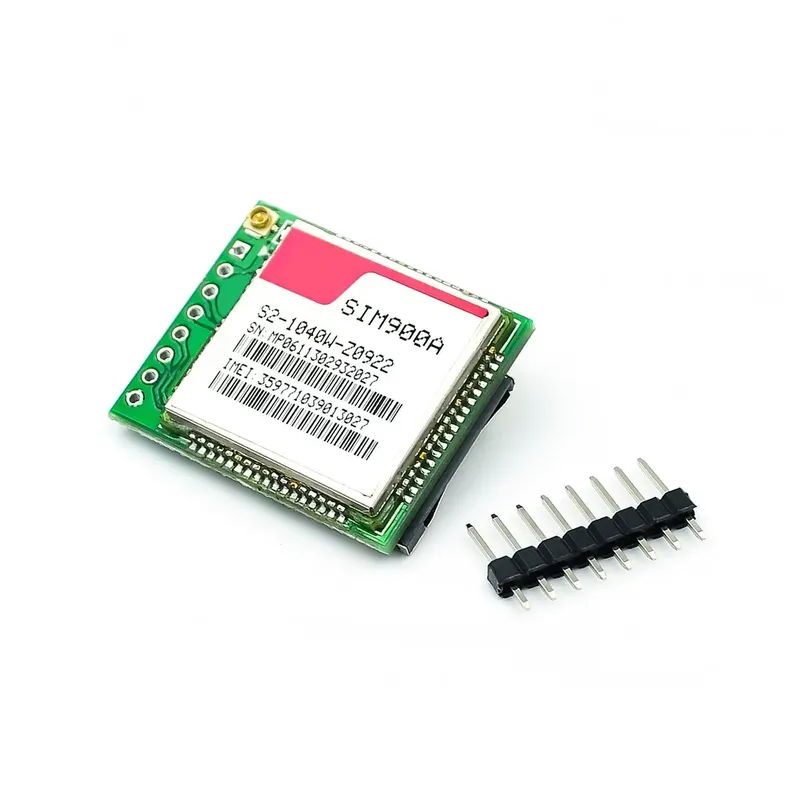
SIM900 Quad-Band GSM/GPRS Module Breakout (UART AT Commands)
Prices updated: 13 Oct 2026
Compare prices
| Store | product | Price | View in store |
|---|---|---|---|
 Future Electronics Future Electronics | GSM-GPRS SIM900 Module tested . | 390 EGP | View in store |
Price history
Lowest daily price, last 90 days
Lowest price recorded: 390 EGP
About this product
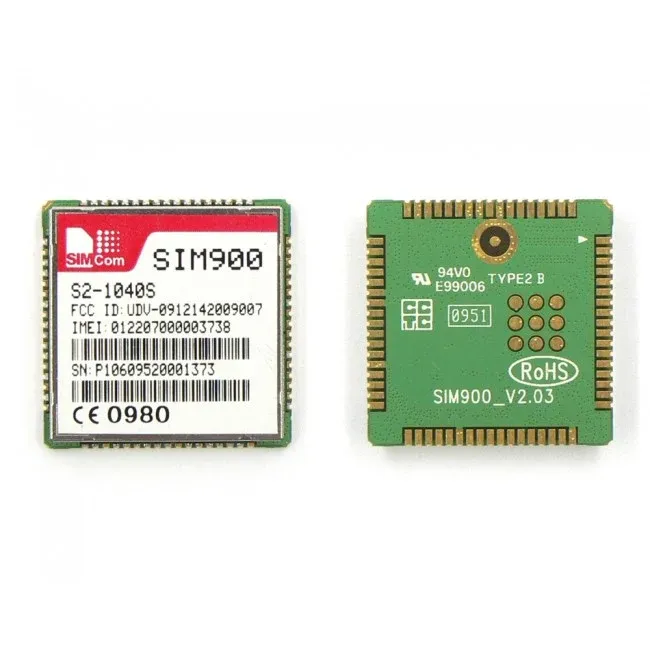
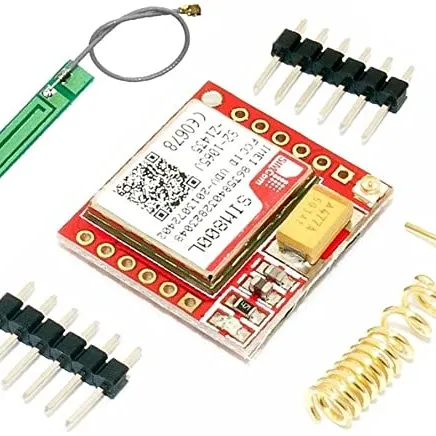
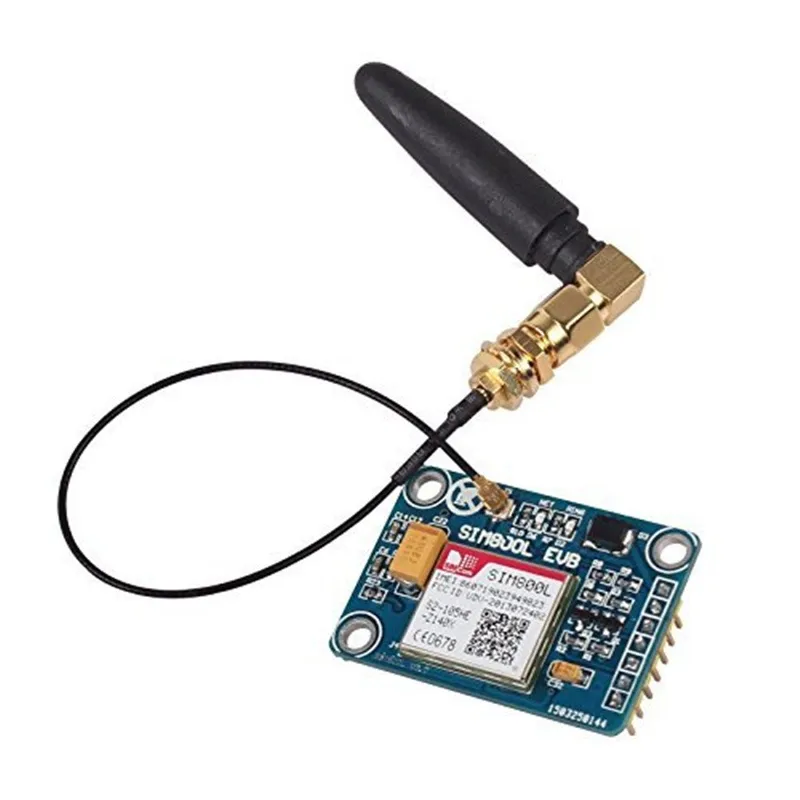
A breakout board built around the SIM900 quad-band GSM/GPRS module, used to add voice, SMS and data connectivity to microcontroller projects. It is controlled over UART with standard AT commands and works with Arduino, PIC, AVR, ARM and FPGA boards. It can also be connected to a PC through an FTDI adapter for testing.
Specifications
- Module
- SIM900 quad-band GSM/GPRS
- Frequency bands
- 850 / 900 / 1800 / 1900 MHz
- Control interface
- UART with AT commands
- Power on and reset
- Software power on and software reset supported
- Compatible platforms
- Arduino, PIC, AVR, ARM, FPGA/CPLD
Frequently asked questions
What is the price of SIM900 Quad-Band GSM/GPRS Module Breakout (UART AT Commands) in Egypt?
SIM900 Quad-Band GSM/GPRS Module Breakout (UART AT Commands) currently costs 390 EGP in Egypt.
Where can I buy SIM900 Quad-Band GSM/GPRS Module Breakout (UART AT Commands) in Egypt?
SIM900 Quad-Band GSM/GPRS Module Breakout (UART AT Commands) is available from Future Electronics. Compare the offers above to find the best price.
Do I need a SIM card to use this module?
Yes. The SIM900 needs an activated SIM card from a GSM network to register and send calls, SMS or data. Insert the SIM card into the module's holder before powering it on.
What power supply does it need?
The SIM900 draws high peak current during GSM transmit bursts, up to about 2 A, so use a supply that can deliver it and not just the Arduino's 5 V pin. The listing quotes 3.1 to 4.2 V, but the SIM900 chip datasheet specifies 3.2 to 4.8 V, so confirm the board's documentation before powering it.