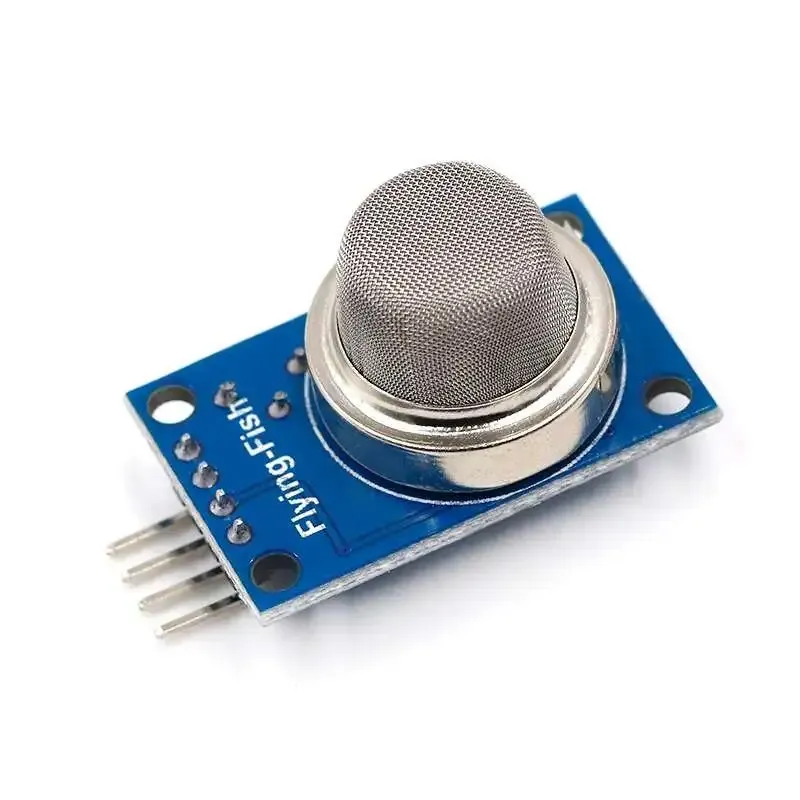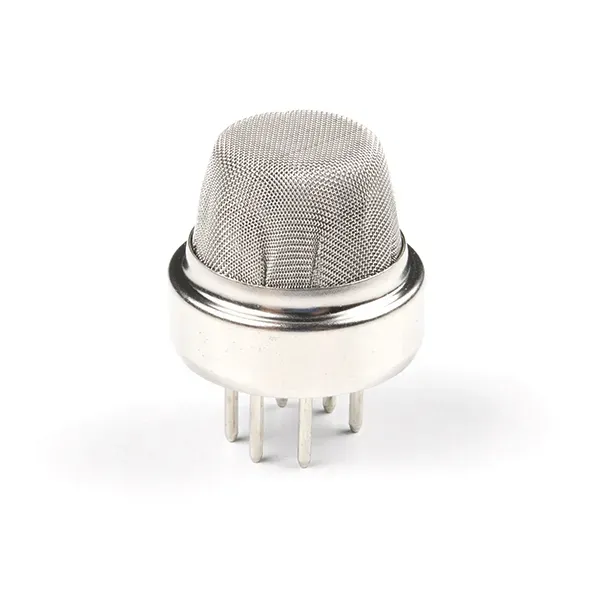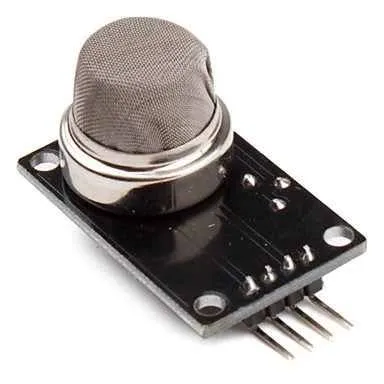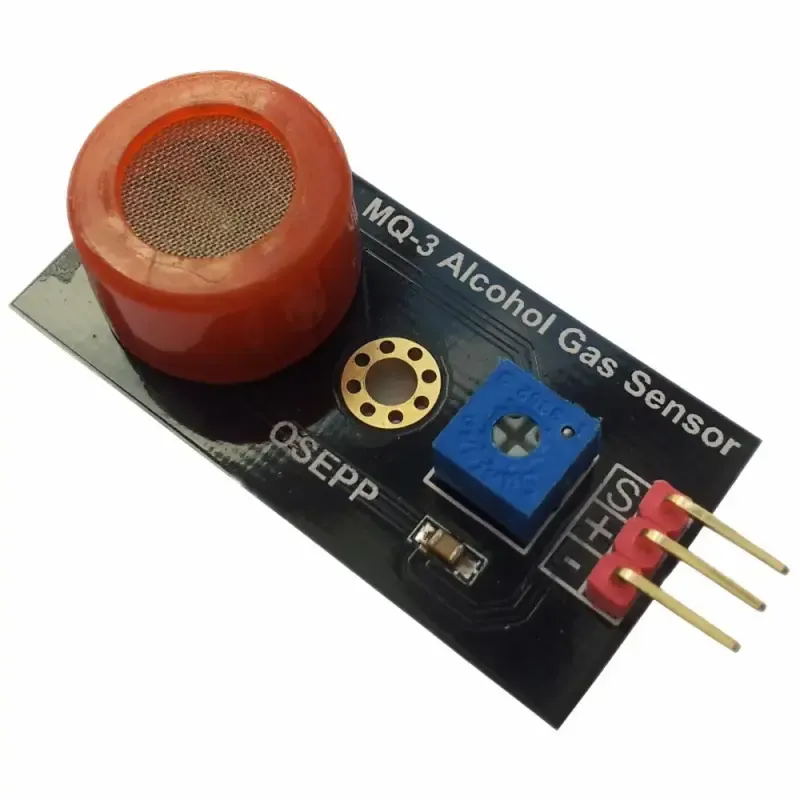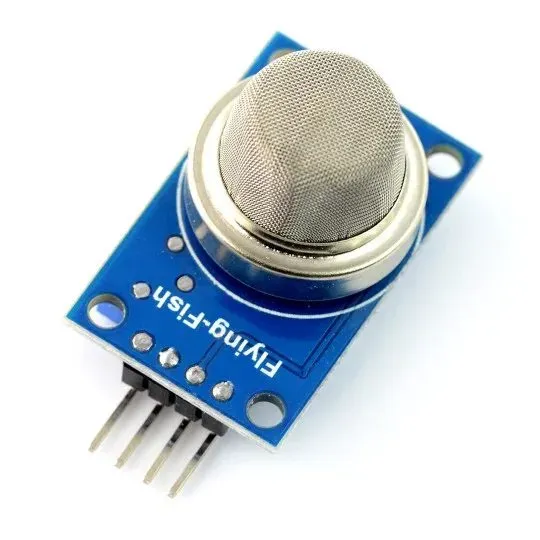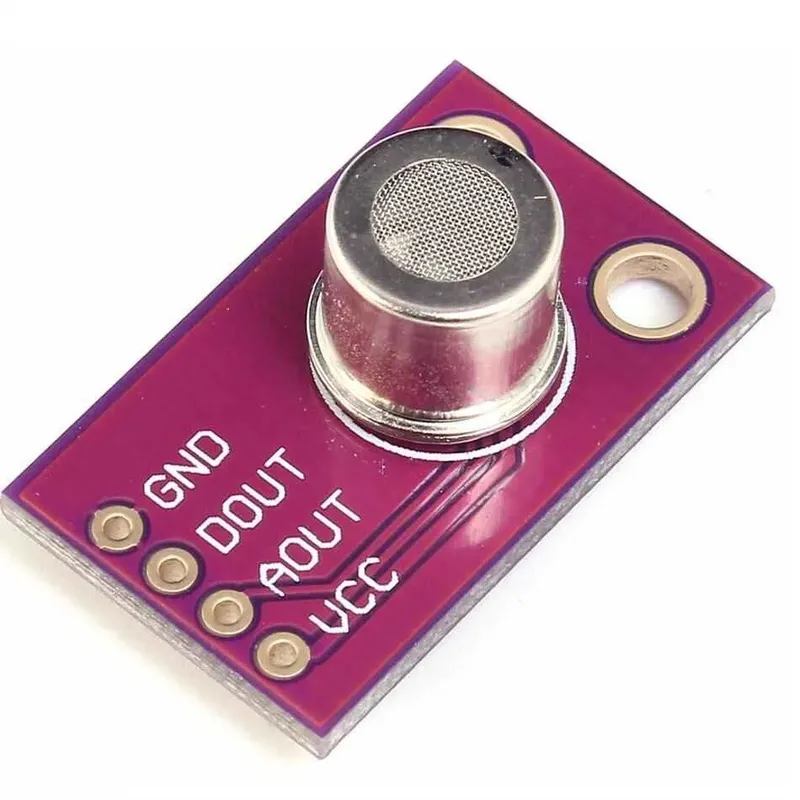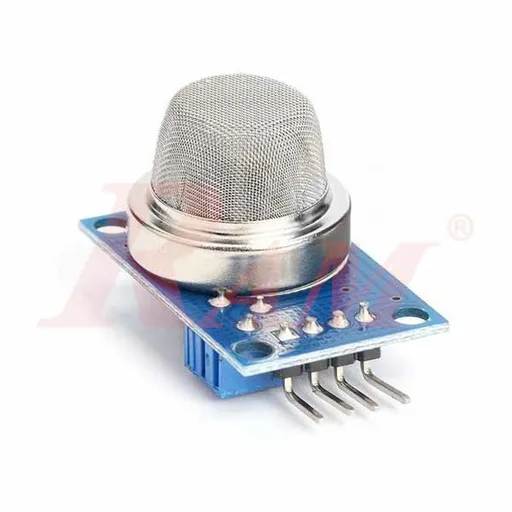
MQ-137 Ammonia (NH3) Gas Sensor Module
Prices updated: 12 Oct 2026
Compare prices
| Store | product | Price | View in store |
|---|---|---|---|
 Future ElectronicsCheapest Future ElectronicsCheapest | Ammonia Gas Sensor MQ137 | 1,100 EGP | View in store |
 RAM Electronics RAM Electronics | MQ-137 Sensor Ammonia Detection Sensor NH3 Gas Sensor Module | 1,350 EGP | View in store |
Price history
Lowest daily price, last 90 days
Not enough price history yet.
Lowest price recorded: 1,100 EGP
About this product
The MQ-137 is a low-cost semiconductor gas sensor with an SnO2 sensing layer, designed to detect ammonia (NH3) in the 5-500 ppm range. It also responds to organic amines such as trimethylamine and chloramine. Its conductivity rises with gas concentration, and a simple circuit converts this change into a voltage a microcontroller can read.
Specifications
- Target gas
- Ammonia (NH3)
- Detection range
- 5-500 ppm
- Detection principle
- Semiconductor (SnO2 sensing layer)
- Output
- Analog voltage through an external circuit
- Cross-sensitivity
- Organic amines (e.g. trimethylamine, chloramine)
Frequently asked questions
What is the price of MQ-137 Ammonia (NH3) Gas Sensor Module in Egypt?
MQ-137 Ammonia (NH3) Gas Sensor Module currently costs between 1,100 and 1,350 EGP across 2 offers in Egypt.
Where can I buy MQ-137 Ammonia (NH3) Gas Sensor Module in Egypt?
MQ-137 Ammonia (NH3) Gas Sensor Module is available from Future Electronics and RAM Electronics. Compare the offers above to find the best price.
How do I read the MQ-137 with a microcontroller?
Build a voltage divider using a load resistor in series with the sensor, then read the midpoint on an ADC pin. An Arduino Uno ADC reads 0-5 V, while an ESP32 ADC is limited to 3.3 V, so scale the divider accordingly. Calibrate the sensor in clean air before taking measurements.
What heater supply does the MQ-137 need, and how accurate is it?
Check the heater voltage printed on your module or in its datasheet before powering it, since many MQ-series modules use 5 V. This is a low-cost indicative sensor: readings are affected by temperature, humidity and other gases, so it should not be used as a certified or safety-critical gas detector.