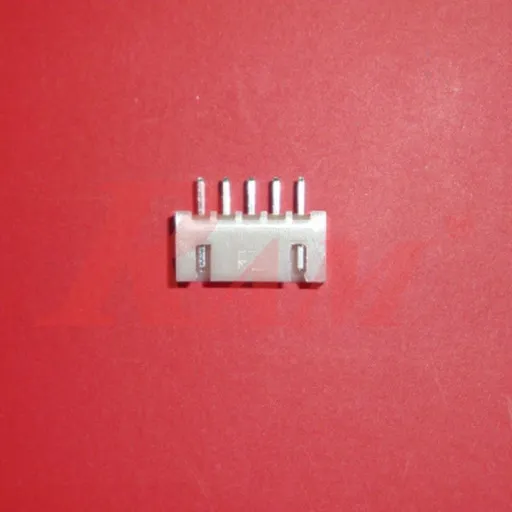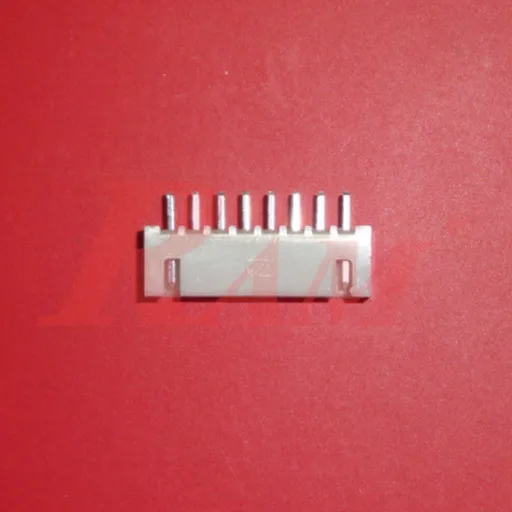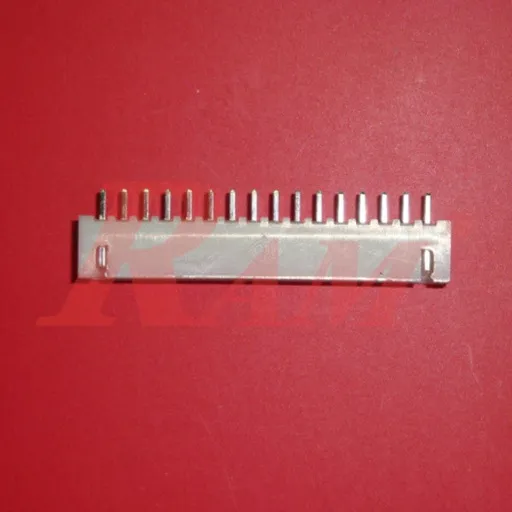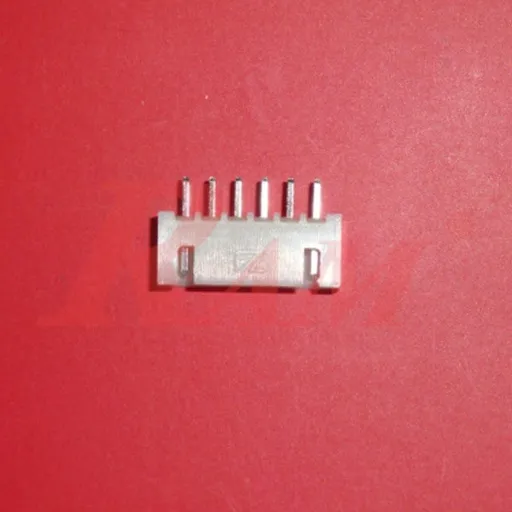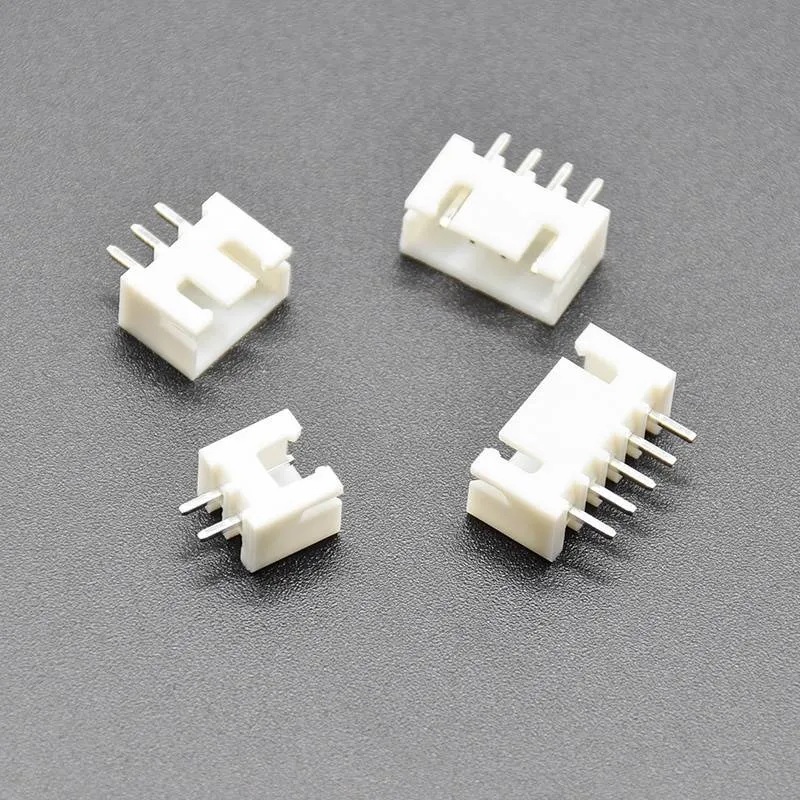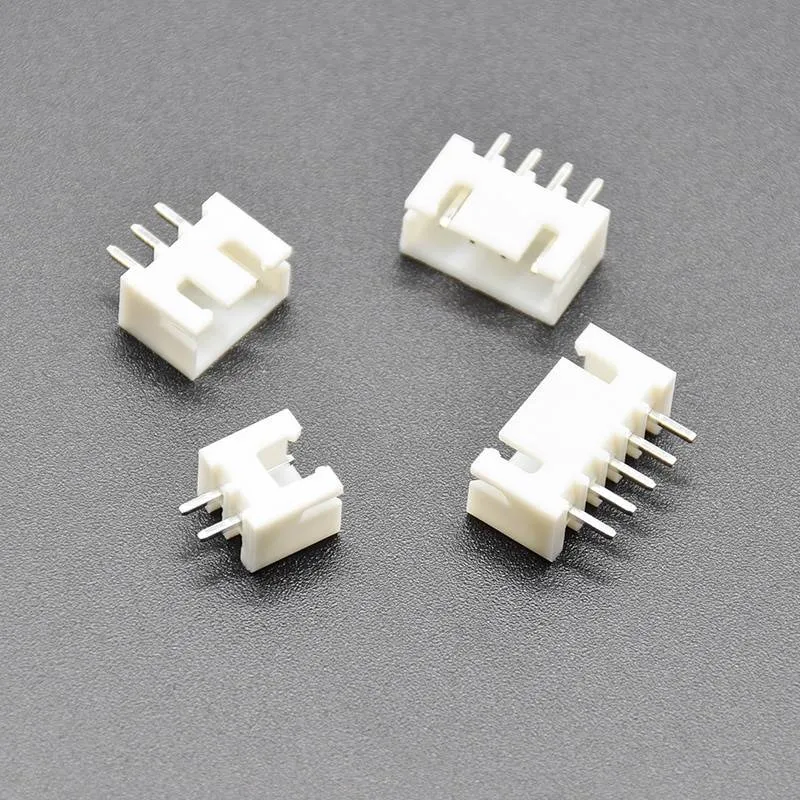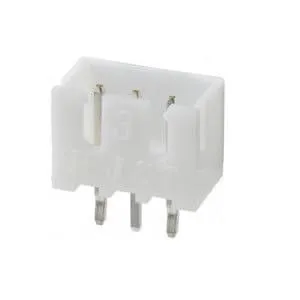
JST XH2.54 3-Pin Polarized Male PCB Header Connector (XH-3A)
Prices updated: 13 Oct 2026
Compare prices
| Store | product | Price | View in store |
|---|---|---|---|
 MicroohmCheapest MicroohmCheapest | JST Connector 2.54mm Pitch 3 pin XH2.54 Polarized Male on PCB XH-3A | 0.5 EGP1 | View in store |
 Most Electronics Most Electronics | Data Terminal Male 3 pin connector JST XH 2.54mm | 0.78 EGP0.92 | View in store |
 UGE UGE | JST Connector Male Polarized XH2.54 3P | 1.8 EGP | View in store |
Price history
Lowest daily price, last 90 days
Lowest price recorded: 0.5 EGP
About this product
A 3-pin JST XH-series male header with 2.54 mm pitch, designed to be soldered directly onto a PCB. Its polarized shroud prevents the matching housing from being inserted in reverse, and it is widely used for battery packs, sensors and small power connections in hobby electronics.
Specifications
- Pitch
- 2.54 mm
- Number of pins
- 3 (2P to 10P available)
- Rated voltage
- 250V AC/DC
- Rated current
- 2.5A AC/DC
- Working temperature
- -25 °C to +85 °C
- Withstand voltage
- 1000V/min
- Contact resistance
- ≤ 0.02Ω
- Insulation resistance
- ≥ 1000MΩ
Frequently asked questions
What is the price of JST XH2.54 3-Pin Polarized Male PCB Header Connector (XH-3A) in Egypt?
JST XH2.54 3-Pin Polarized Male PCB Header Connector (XH-3A) currently costs between 0.5 and 1.8 EGP across 3 offers in Egypt.
Where can I buy JST XH2.54 3-Pin Polarized Male PCB Header Connector (XH-3A) in Egypt?
JST XH2.54 3-Pin Polarized Male PCB Header Connector (XH-3A) is available from Microohm, Most Electronics, and UGE. Compare the offers above to find the best price.
Which housing and crimp terminals match this header?
It mates with the matching 2.54 mm XH-series female housing, which uses crimp terminals. Confirm the pin count and the wire gauge your terminals support before crimping.
Can it carry 2.5A continuously?
The listed rated current is 2.5A AC/DC. Actual current capacity depends on the wire gauge, terminal quality and temperature rise, so use a lower current with thin wires and verify the temperature in your application.