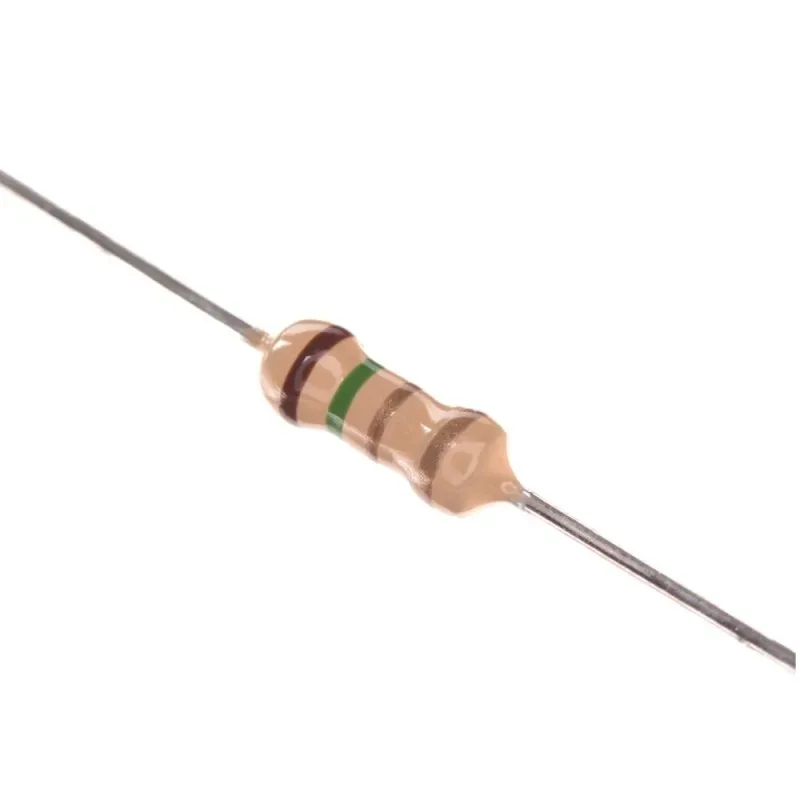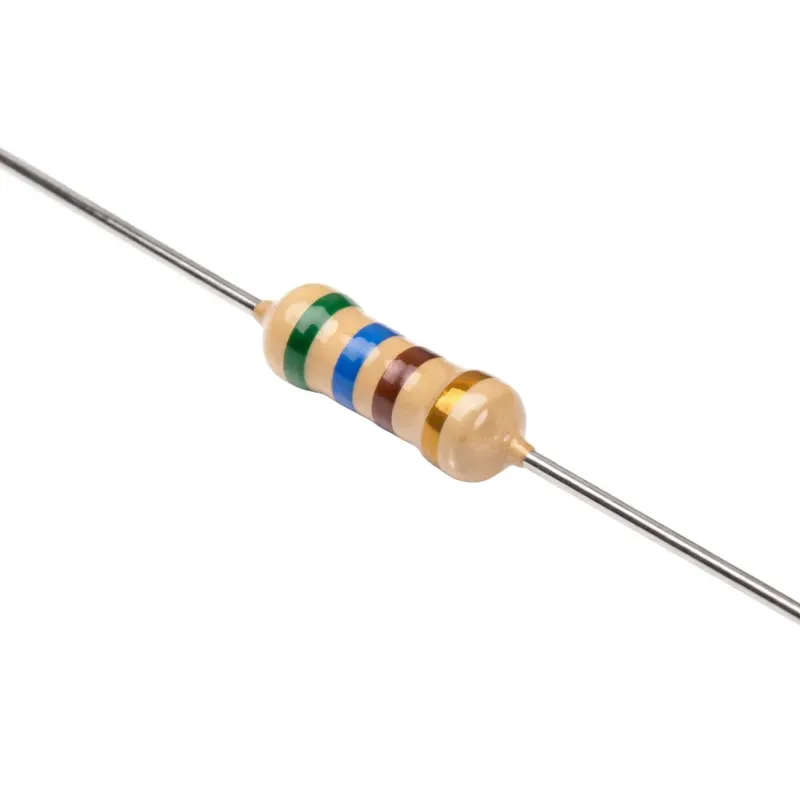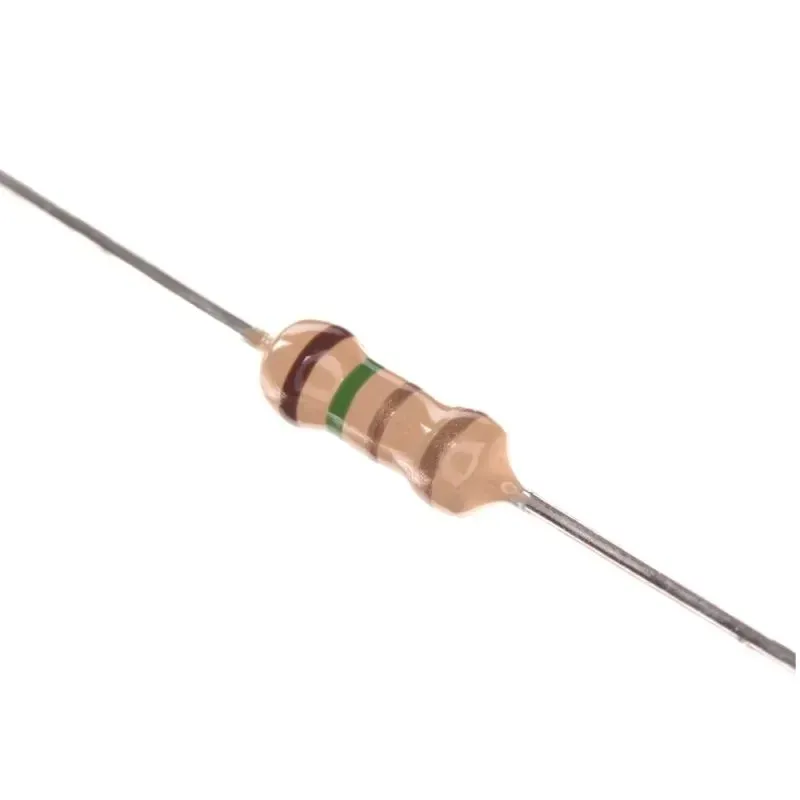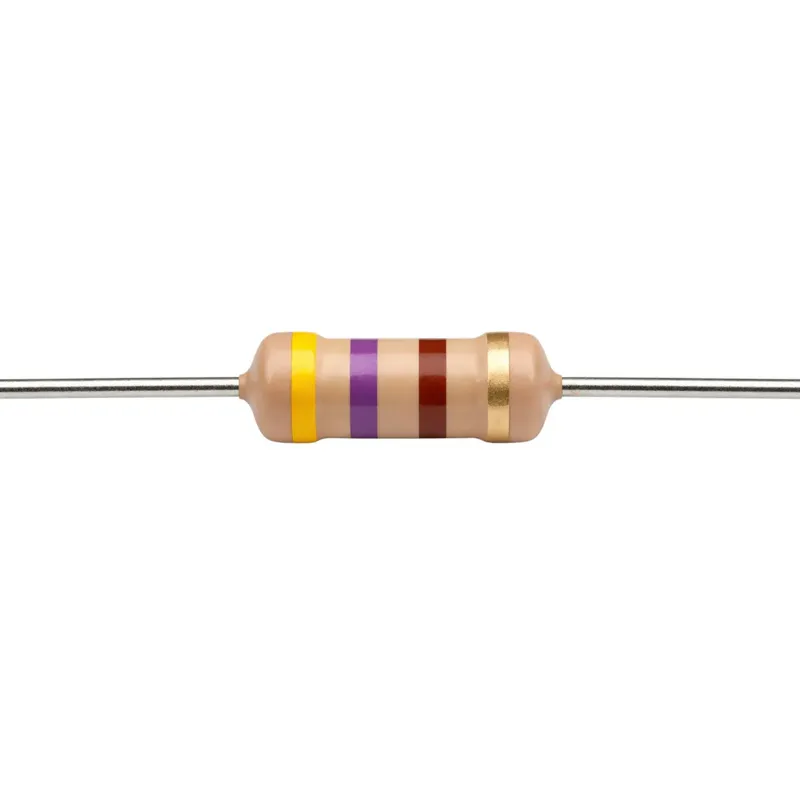
Carbon Film Resistor 470 Ohm 0.25W Through Hole
Prices updated: 14 Oct 2026
Compare prices
| Store | product | Price | View in store |
|---|---|---|---|
 Makers ElectronicsCheapest Makers ElectronicsCheapest | Carbon Resistor 470Ω 0.25W Through Hole | 0.15 EGP | View in store |
 Most Electronics Most Electronics | Resistor 470 ohm 1/4W | 0.2 EGP0.24 | View in store |
 UGE UGE | Carbon Resistor 0.25W 470R 470 Ohm | 0.25 EGP | View in store |
 Ekostra Ekostra | Resistor 470 Ohm 1/4W | 0.25 EGP | View in store |
 Circuits Electronics Circuits Electronics | Resistor 470 OHM | 0.3 EGP | View in store |
 Future Electronics Future Electronics | Resistor 470 OHM | 0.5 EGP | View in store |
Price history
Lowest daily price, last 90 days
Lowest price recorded: 0.15 EGP
About this product
A 470 Ω carbon film resistor rated at 1/4 W (0.25 W) in a through-hole package. It is widely used as a current-limiting resistor for LEDs, as a pull-up or pull-down resistor, and in general breadboard and PCB prototyping.
Specifications
- Resistance
- 470 Ω
- Power rating
- 1/4 W (0.25 W)
- Type
- Carbon film
- Mounting
- Through-hole
- Color code (4-band)
- Yellow, Violet, Brown
Frequently asked questions
What is the price of Carbon Film Resistor 470 Ohm 0.25W Through Hole in Egypt?
Carbon Film Resistor 470 Ohm 0.25W Through Hole currently costs between 0.15 and 0.5 EGP across 6 offers in Egypt.
Where can I buy Carbon Film Resistor 470 Ohm 0.25W Through Hole in Egypt?
Carbon Film Resistor 470 Ohm 0.25W Through Hole is available from Makers Electronics, Most Electronics, UGE, Ekostra, Circuits Electronics, and Future Electronics. Compare the offers above to find the best price.
What is the color code of a 470 Ω resistor?
The 4-band code is yellow, violet, brown, followed by the tolerance band. Yellow (4) and violet (7) give 47, and brown is a multiplier of 10.
Can I use a 470 Ω resistor to limit current for an LED?
Yes, it is a common value for LED current limiting. For example, with a 5V supply and a red LED with about 2V forward drop, it gives roughly 6 mA. Check your LED's rated current before choosing the final value.