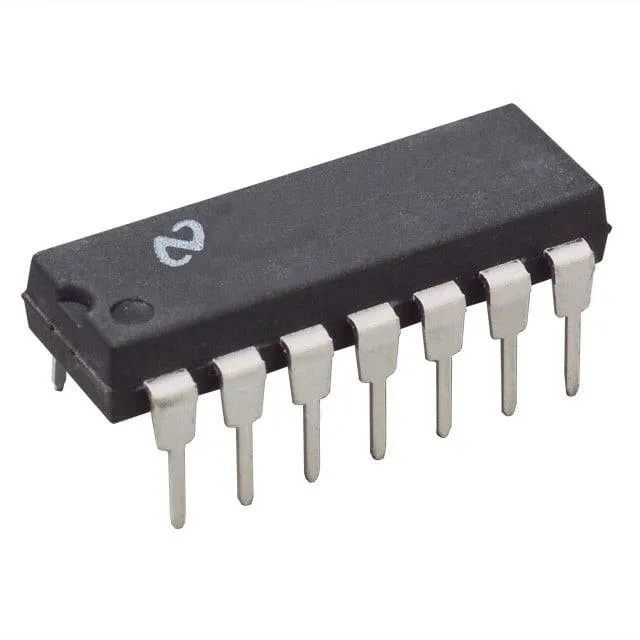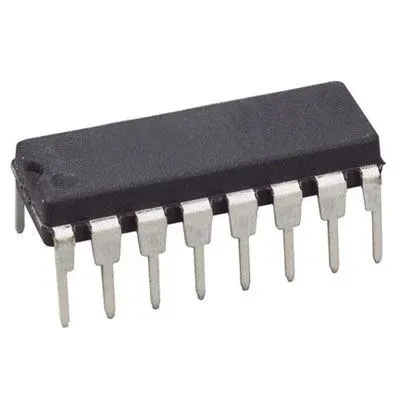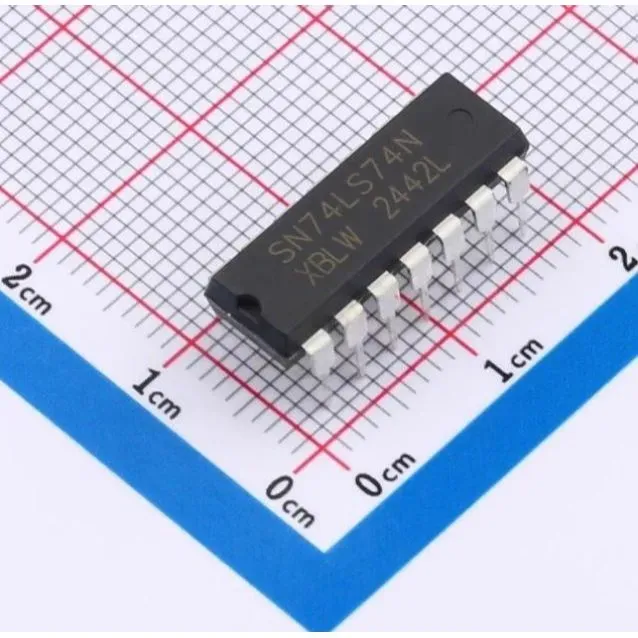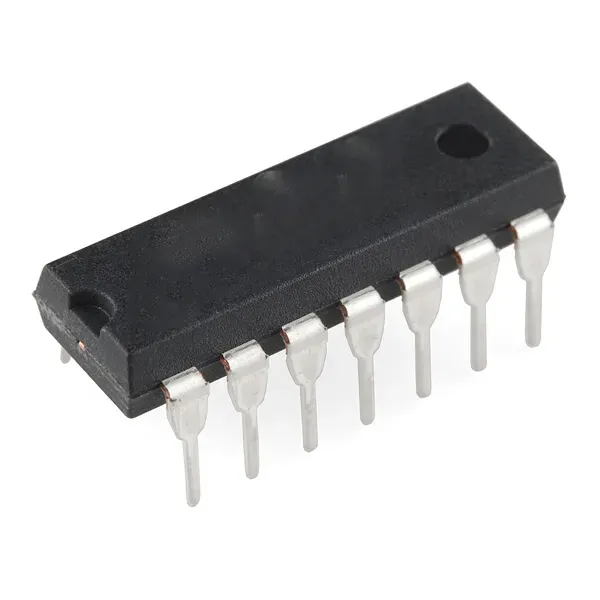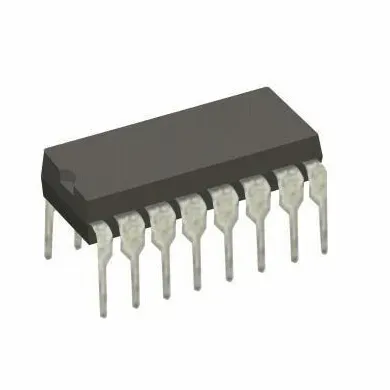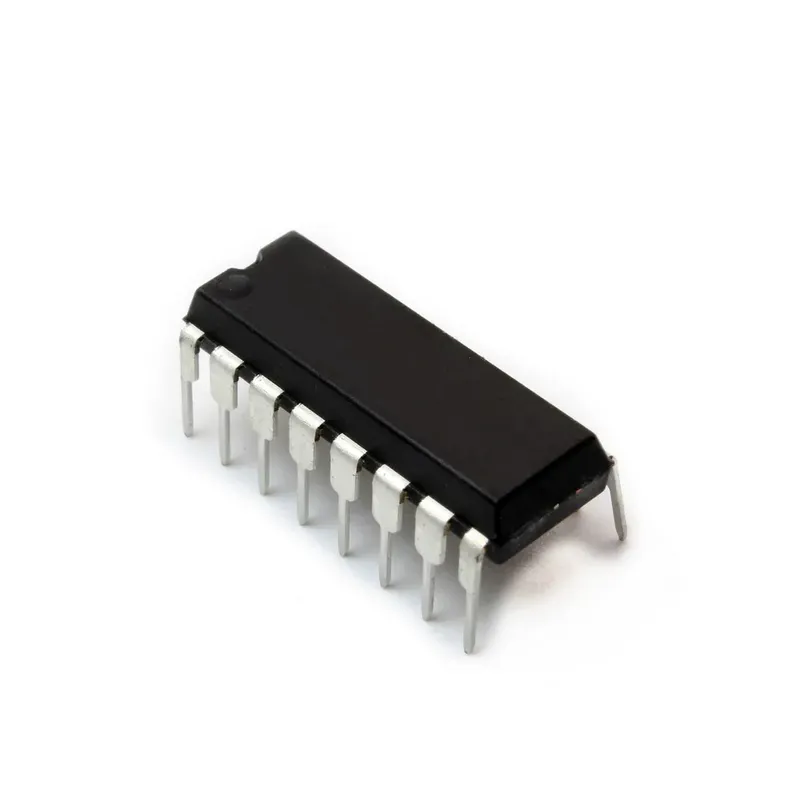
74HC76 Dual J-K Flip-Flop with Preset and Clear
Prices updated: 13 Oct 2026
Compare prices
| Store | product | Price | View in store |
|---|---|---|---|
 Makers ElectronicsCheapest Makers ElectronicsCheapest | 7476 IC Dual Master-Slave J-K Flip-Flops DIP-16 | 12 EGP | View in store |
 Ekostra Ekostra | 7476 Dual JK Flip-Flop with Preset and Clear IC | 18 EGP | View in store |
 Microohm Microohm | IC 7476 Dual JK Flip-Flop with Preset & Clear – 74HC76 / 74LS76 DIP-16 | 20 EGP25 | View in store |
 Most Electronics Most Electronics | 74HC76 – 7476 ( JK Flip Flop ) | 21.9 EGP26.12 | View in store |
 RAM Electronics RAM Electronics | IC 7476 - Dual JK Flip Flop with Preset and Clear | 25 EGP | View in store |
 Circuits Electronics Circuits Electronics | 74HC76 (JK Flip Flop) | 25 EGP | View in store |
Price history
Lowest daily price, last 90 days
Lowest price recorded: 12 EGP
About this product
The 74HC76 is a CMOS IC with two independent J-K flip-flops, each with asynchronous active-low preset and clear inputs. The flip-flops are negative-edge triggered, which suits counters, frequency dividers, shift registers and basic sequencing circuits.
Specifications
- Logic family
- CMOS (74HC series)
- Flip-flops
- 2 J-K flip-flops
- Clock trigger
- Negative edge
- Preset and clear
- Active-low, asynchronous
- Supply voltage
- 2 V to 6 V
- Package
- DIP-16
Frequently asked questions
What is the price of 74HC76 Dual J-K Flip-Flop with Preset and Clear in Egypt?
74HC76 Dual J-K Flip-Flop with Preset and Clear currently costs between 12 and 25 EGP across 6 offers in Egypt.
Where can I buy 74HC76 Dual J-K Flip-Flop with Preset and Clear in Egypt?
74HC76 Dual J-K Flip-Flop with Preset and Clear is available from Makers Electronics, Ekostra, Microohm, Most Electronics, RAM Electronics, and Circuits Electronics. Compare the offers above to find the best price.
How do I make the 74HC76 toggle on each clock pulse?
Hold both J and K inputs high. The output then toggles on each falling clock edge, which gives a divide-by-two output.
What should I connect to unused Preset and Clear pins?
Keep unused Preset and Clear pins inactive by tying them to VCC, typically through a pull-up resistor. Leaving them floating can cause unpredictable behavior.