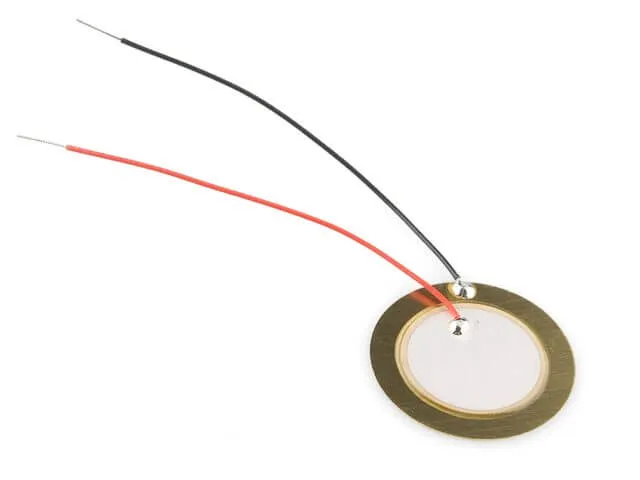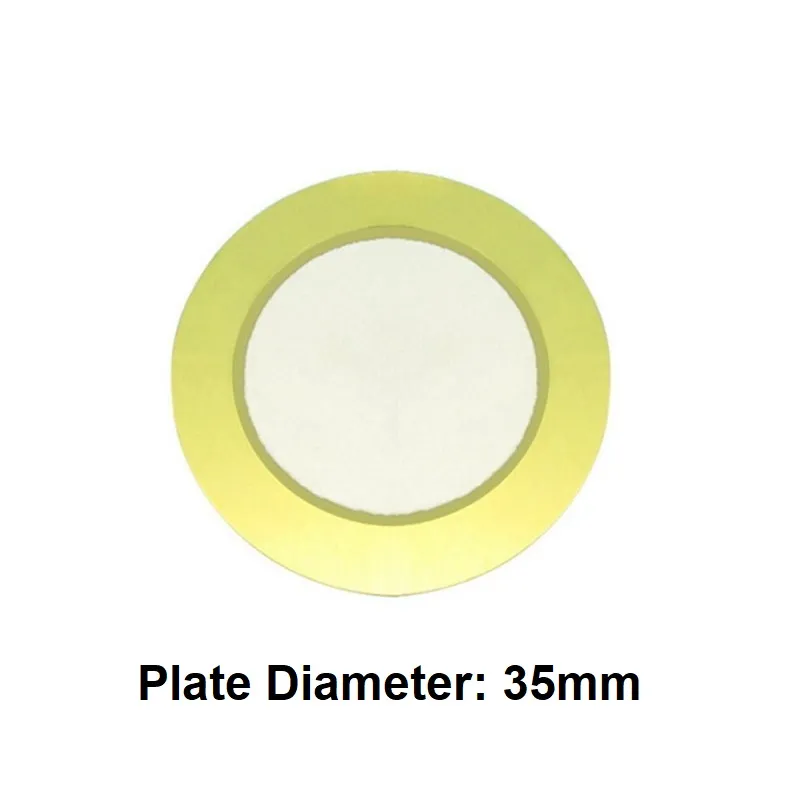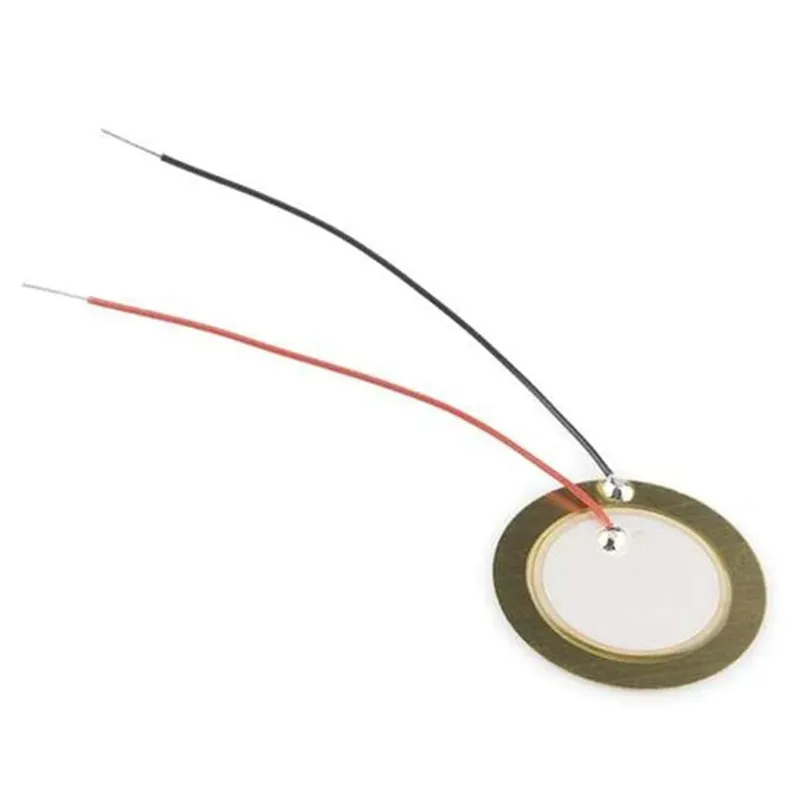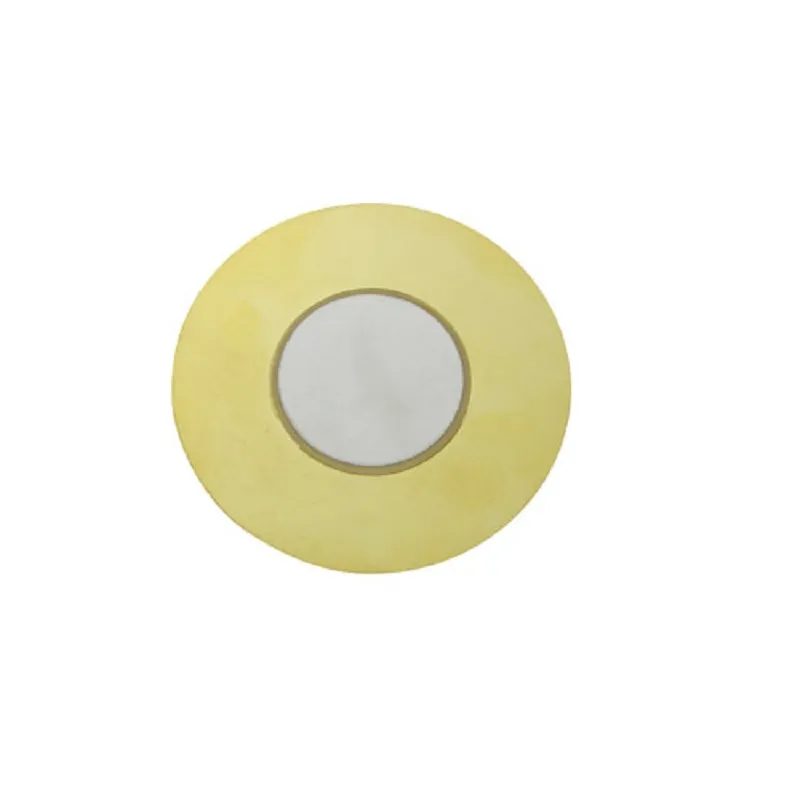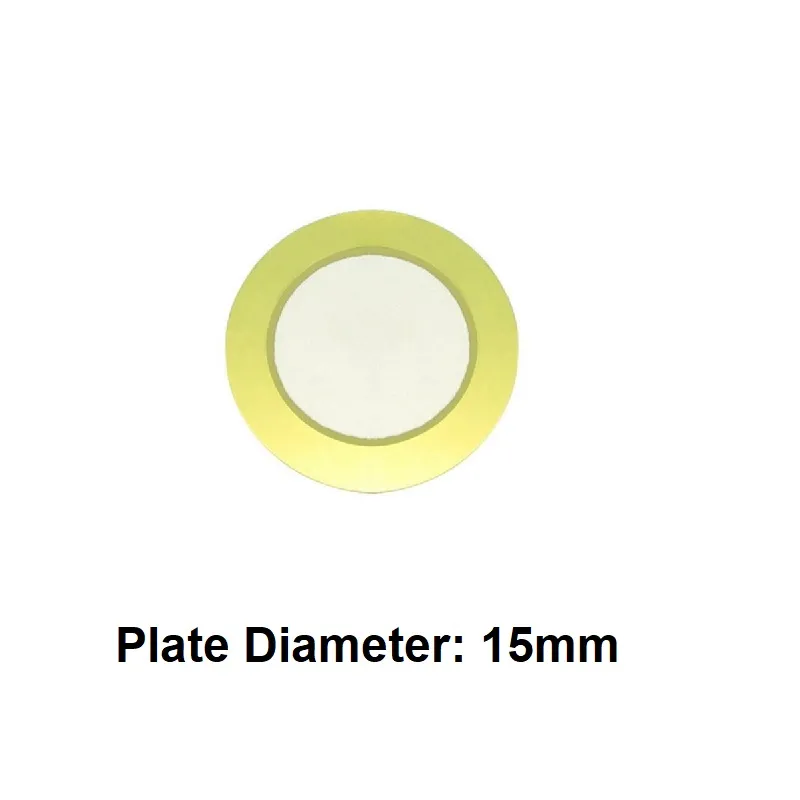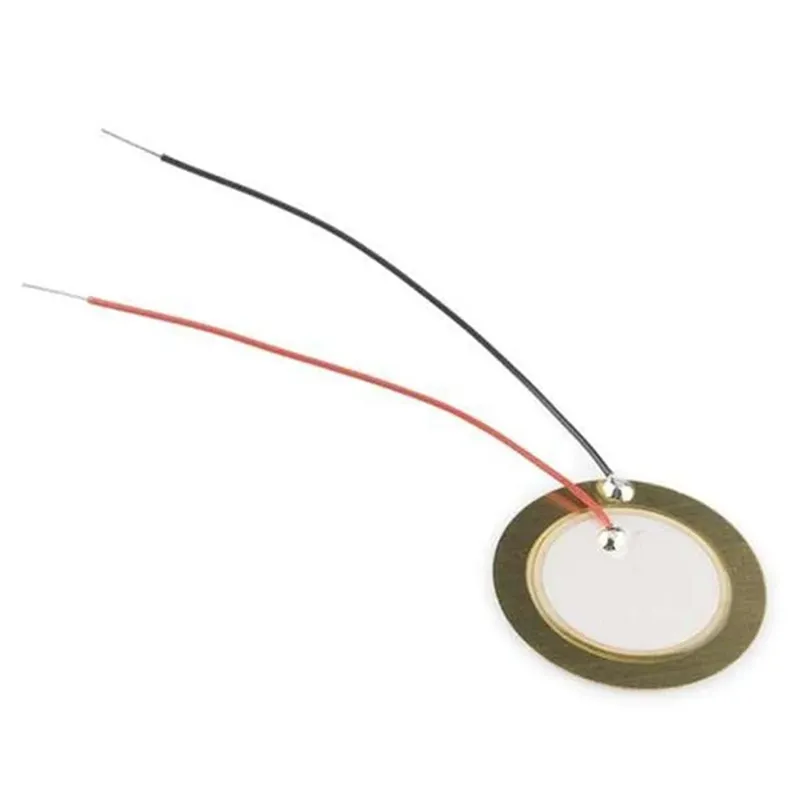
27mm Piezo Sensor Element for Knock and Vibration Detection
Prices updated: 13 Oct 2026
Compare prices
| Store | product | Price | View in store |
|---|---|---|---|
 Future ElectronicsCheapest Future ElectronicsCheapest | Piezo Sensor Element 27mm | 25 EGP | View in store |
 Most Electronics Most Electronics | Piezo Element Detect Vibration 27mm | 32.9 EGP38.48 | View in store |
 UGE UGE | Piezo knock Sensor Element 27mm | 34.2 EGP | View in store |
Price history
Lowest daily price, last 90 days
Lowest price recorded: 25 EGP
About this product
A 27 mm piezoelectric disc that generates a voltage when it is deformed by a knock, vibration or sound wave. It is typically used as a knock sensor on a door, table or other solid surface. The same element can also be driven with a voltage to produce a tone, so it can act as a simple buzzer or sound source.
Specifications
- Element type
- Piezoelectric disc
- Diameter
- 27 mm
- Sensing
- Knock, vibration and sound
- Output principle
- Generates voltage when deformed
- Tone generation
- Yes, when driven with a voltage
- Typical application
- Knock detection on doors, tables and solid surfaces
Frequently asked questions
What is the price of 27mm Piezo Sensor Element for Knock and Vibration Detection in Egypt?
27mm Piezo Sensor Element for Knock and Vibration Detection currently costs between 25 and 34.2 EGP across 3 offers in Egypt.
Where can I buy 27mm Piezo Sensor Element for Knock and Vibration Detection in Egypt?
27mm Piezo Sensor Element for Knock and Vibration Detection is available from Future Electronics, Most Electronics, and UGE. Compare the offers above to find the best price.
How do I read knock signals with an Arduino?
Connect one lead to an analog input such as A0 and the other lead to GND, with a high-value resistor (commonly 1 MΩ) across the two leads to limit the signal and bleed off charge. Read the voltage spikes with analogRead(). Spikes can be larger than the supply, so many builds add clamping diodes to the supply rails.
Can this element also be used as a buzzer?
Yes. It can produce tones when driven by a square wave, for example with the Arduino tone() function on a digital pin. Avoid driving it with a steady DC voltage, which does not produce sound.